

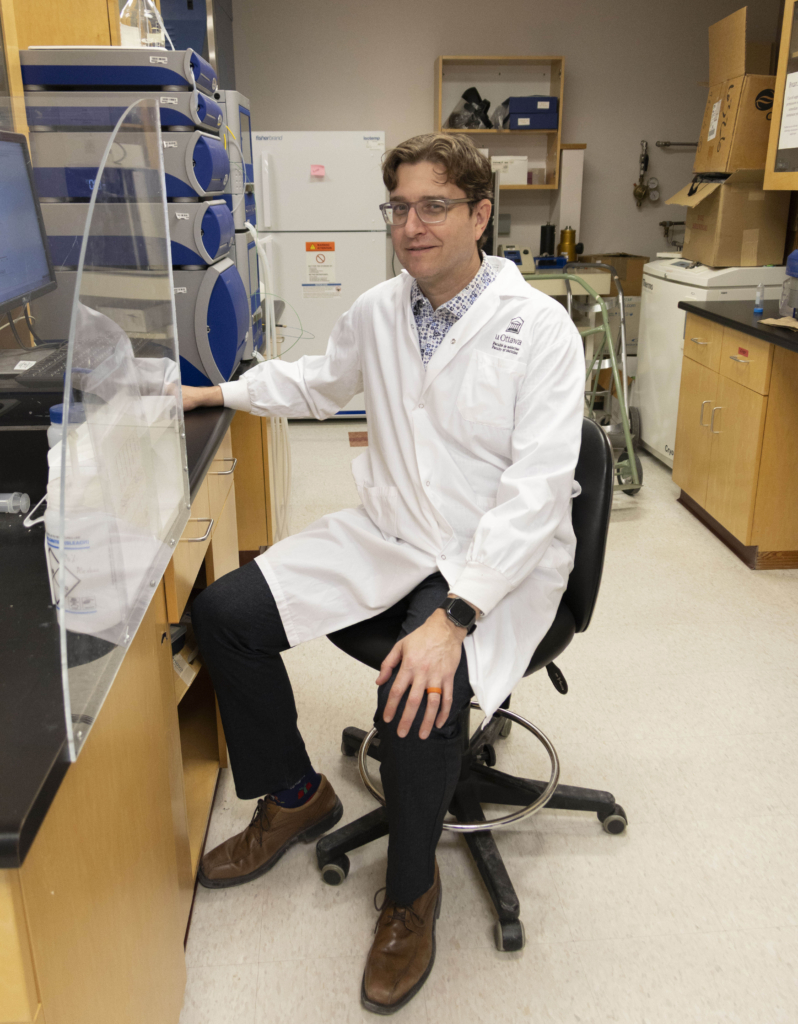
Growing up, Dr. Dylan Burger hoped he’d be hitting home runs for a living. He never imagined he’d be studying kidney disease, although it’s safe to say he’s been having a ball ever since he first set foot in a lab.
Today, the Senior Scientist has his own lab and is the Director of The Ottawa Hospital’s Kidney Research Centre. Through his practice-changing work on kidney disease and mentorship of young scientists, Dr. Burger has achieved a research grand slam — and his success has elevated so many others along the way. The ripple effect from Dr. Burger’s work means today’s discoveries at The Ottawa Hospital will benefit patients tomorrow.
Find out why Dr. Burger decided to study kidney disease, what’s surprising about his field, and where you might find him outside of work.
What were your early years like?
I was born in Windsor but moved around between Toronto, Peterborough, and London over the course of my life. But I settled and grew up in Peterborough.
From the moment I was born, I was always the kid who needed to know what the unknown is. I was always curious. The day my parents got a computer, I took it apart because I needed to know how it worked. And then I broke the video card and had to use my allowance to replace it. I was inclined to science, and my favourite subjects were math and science.
What did you want to be when you grew up?
Growing up, I was baseball-obsessed. I loved the Jays. My dad had season tickets for a few years, and I always wanted to be a baseball player when I grew up. Later, as it became clear I wasn’t going down that road, I wanted to be a baseball commentator. Baseball was the sport I really invested hard in. I also played volleyball, but I was more of a geek, bookworm, and video game guy.
How did you choose to pursue medical sciences?
My dad was a psychologist, so I was inclined towards that. I did my university training in pharmacology and toxicology at Western University in London, and I went into science because it was easier to transfer from science to social sciences if I decided I was more interested in psychology. Then, I went into pharmacology and toxicology because it kept an elective open that allowed me to minor in psychology. But when I got into the lab in fourth-year university, I knew within five minutes that I wanted to be in the lab doing discovery research. It was just natural for me and very much became my passion.
What brought you to The Ottawa Hospital?
I did my PhD in ischemic heart disease and came to The Ottawa Hospital to study hypertension, which is a major cause of heart disease. I thought there was potential to make a major impact there. Kidney disease research flowed naturally out from hypertension, because hypertension is the second leading cause of kidney disease. There were so many opportunities for collaboration and funding here in Ottawa, and I slowly became more of a kidney person through training and exposure.
An opportunity to stay in Ottawa came, and my wife and I have now been in Ottawa since 2009, and I’ve had my own lab since 2014.
What is something surprising about your field?
A lot of people don’t understand how common chronic kidney disease is; 1 in 10 Canadians are impacted by kidney disease. A major reason for this is hypertension. There are 1.4 billion people in the world with hypertension, and it is the second leading cause of kidney disease after diabetes. The World Health Organization puts out a document every couple of years called the Global Burden of Disease, and it talks about the leading causes of death and morbidity worldwide. If you look at the list, chronic kidney disease is the ninth most common cause of death, and hypertension is number one.
Can you describe your research focus?
I’m interested in developing new tests to help identify individuals who have kidney disease, earlier. We have a number of tools to do that, but identifying those people is only half the battle. So, we’re also working on new treatments to either regenerate the kidney or prevent the immune system from damaging the kidney.
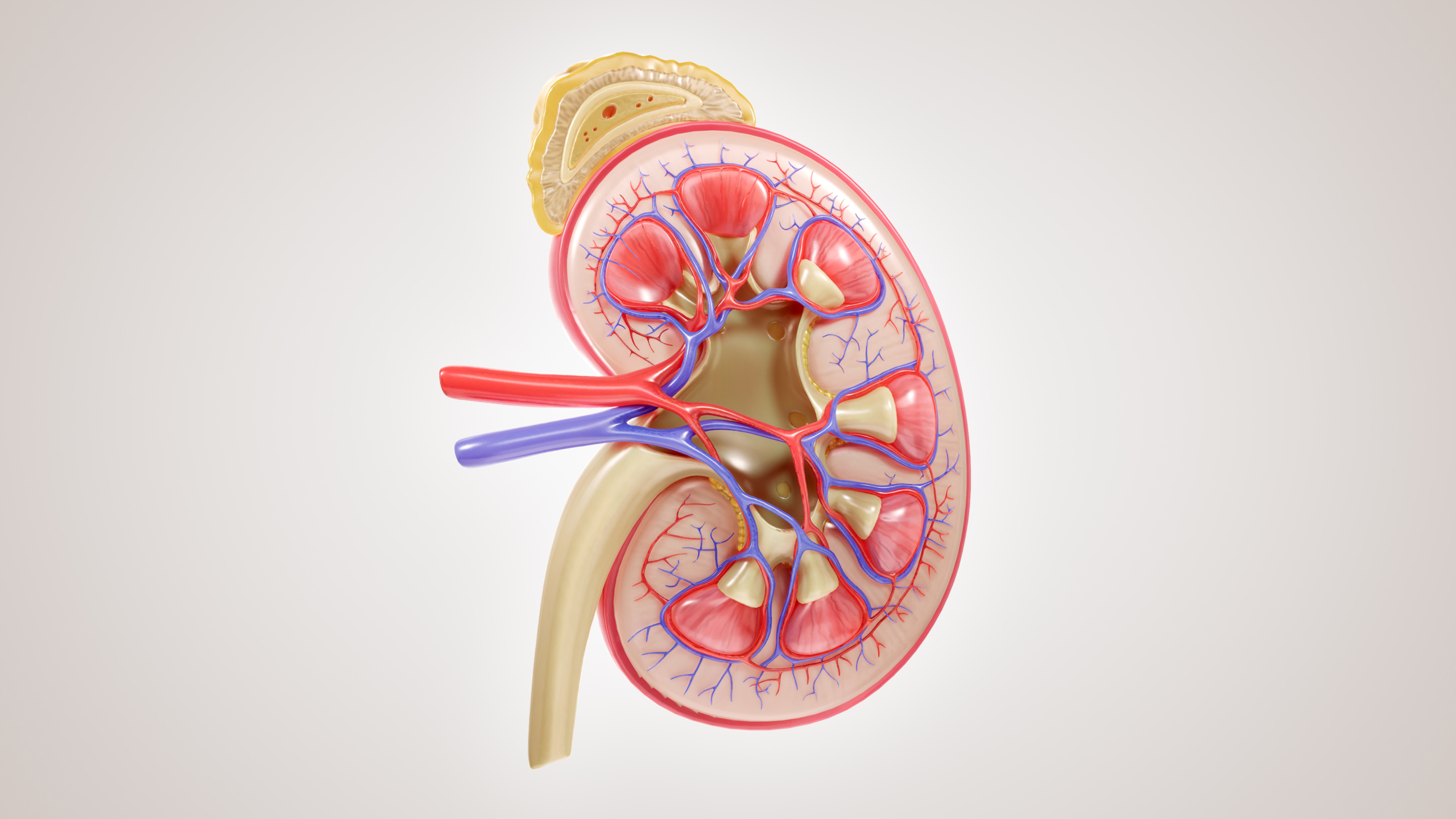
My main area of interest is in factors that cells release called extracellular vesicles. These are pieces of the cell membrane that get released into the environment beyond the cells. We look at the levels of these vesicles in urine and can see when the kidney is under stress. This works much better than the clinical tests we had been doing.
My other area of interest is using these vesicles to regenerate the kidney and to prevent injury and protect the kidney.
What is The Ottawa Hospital doing in your field that is unique?
The regenerative potential and nano medicine are really what’s most exciting. The promise of being able to biomanufacture these therapies through the Biotherapeutics Manufacturing Centre in the future is a big deal. Unlike many other hospitals, we have a path to translating these findings into therapies.
The Ottawa Hospital also has experience starting and building clinical trials at a level few other institutes can offer.
What are you most proud of in your career?
Probably the mentorship. The students who have come through, graduated, and built their careers. I think it’s the most satisfying to see students succeed, get to that next level, take leadership, and generate new ideas.
Where would we find you when you’re not at work?
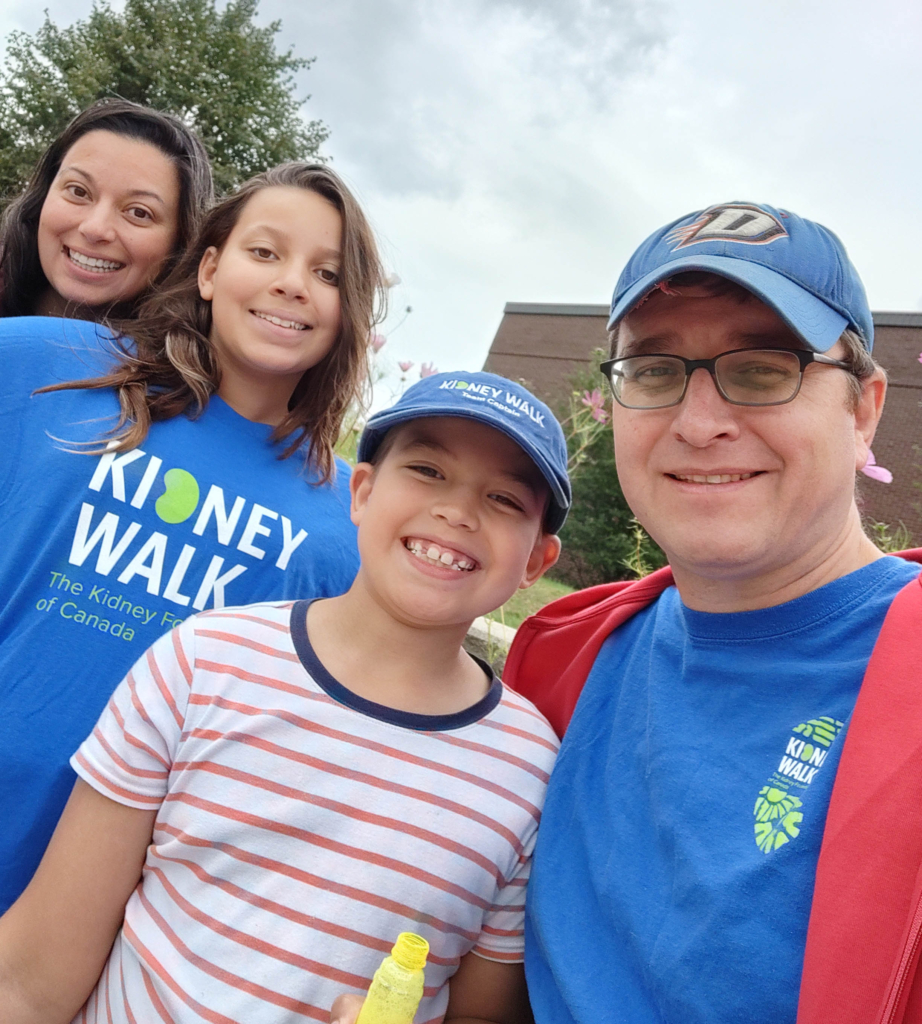
At a hockey rink, in a baseball field, or at my house. My wife works for the federal government, and we’re settled in Ottawa, trying to stay active. We have a family of two kids, a 13-year-old daughter and a 10-year-old son. My daughter plays ringette, and my son plays competitive hockey and baseball. I help coach all the teams, and right now, I’m on the ice somewhere between 8 and 10 hours any given week. I’m usually balancing all that!