
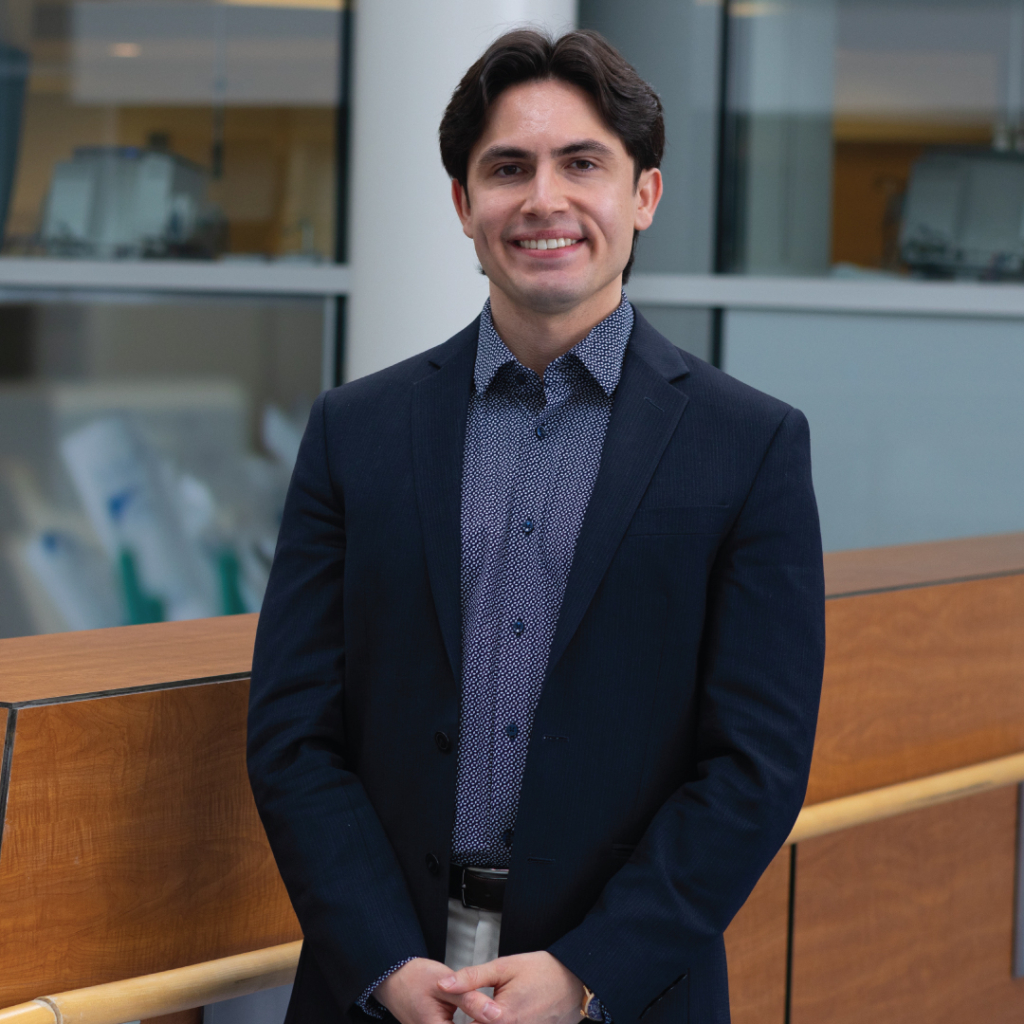
Whether he’s working on a study, working with a patient, or even working out at the gym — Dr. Nicholas Fabiano’s career is an exercise in improved mental health. The psychiatry resident at The Ottawa Hospital has committed himself to helping patients through his research and care, which has focused primarily on the use of lifestyle interventions in mental health care, with a special focus on exercise.
Never one to limit himself, Dr. Fabiano has also delved into hot topics like creatine, microplastics, and diet, and he’s always looking to improve our understanding of interventions for mental health and how they can be prescribed responsibly.
Find out why Dr. Fabiano decided to pursue psychiatry in the first place and what exercise he’d recommend — the answer (and the exercise) might make you happy.
What were your early years like?
As a kid, I was always into the science side of things. I would go up to family friends asking to do experiments with them, and I always wanted to take things apart. From Nerf guns to electronics like Game Boys, I’d take them apart, but I probably wasn’t able to put them back together.
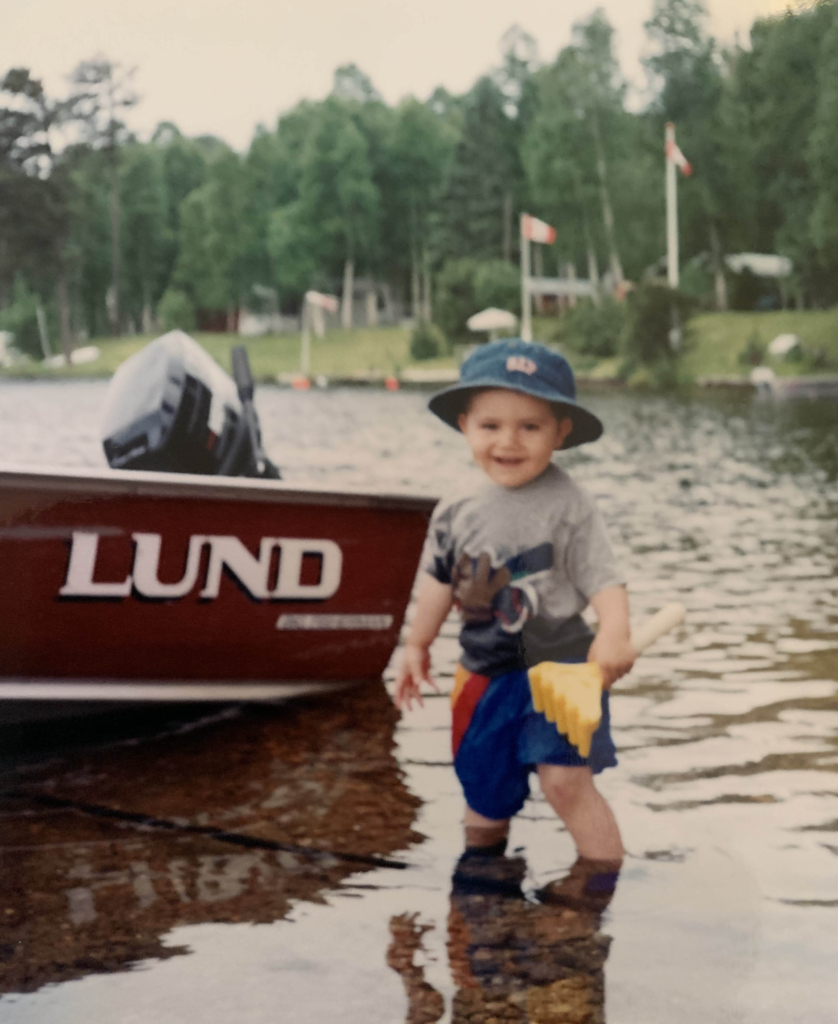
I grew up in Thunder Bay with a big Italian family and spent a lot of time with my Nonna baking different pastries or making pasta.
What did you want to be when you grew up?
Not a doctor! I honestly had no clue for so long. I just let my interests guide me. From science experiments to soccer to art, my parents really supported my endless endeavours, which was crucial to forming my interests and who I am today.
How did you decide to pursue medicine?
I did my undergrad in Thunder Bay at Lakehead University in applied life sciences: it was a mix of things like chemistry, biology, anthropology, and physics. I wanted to stay broad and see what stuck. Volunteering at the local hospital and socializing with elderly patients, working at events for St. John Ambulance, and my interest in science made me realize I wanted to combine these interests.
Two of my friends wound up applying to medical school, and so we all applied together, which made it kind of fun.
What drew you to psychiatry?
I was leaning towards radiology when I first started medical school. It’s kind of funny, but I was working on a project in my undergrad, looking at silicon and how plants take it up, using radiotracers to see where the silicon accumulated. That’s what got me thinking that if I like imaging plants, I might like imaging people.
It wasn’t until my clerkship in my third year of medical school that I did a rotation in psychiatry, and I was surprised because I enjoyed it a lot. The patient interactions were fascinating. I was working with people with diagnoses along the whole spectrum, from mild depression to severe mental illnesses like schizophrenia and bipolar disorder, and I was struck by how much the mind can be affected and how nice it was to talk to them and hear their stories.
At that point, I did a complete 180 and switched to focus on psychiatry for my fourth year. My CV looked like a complete mess because I had several radiology publications, but nothing in psychiatry. But I was fortunate to match for my first choice for a residency in psychiatry here in Ottawa.
What is your area of expertise?
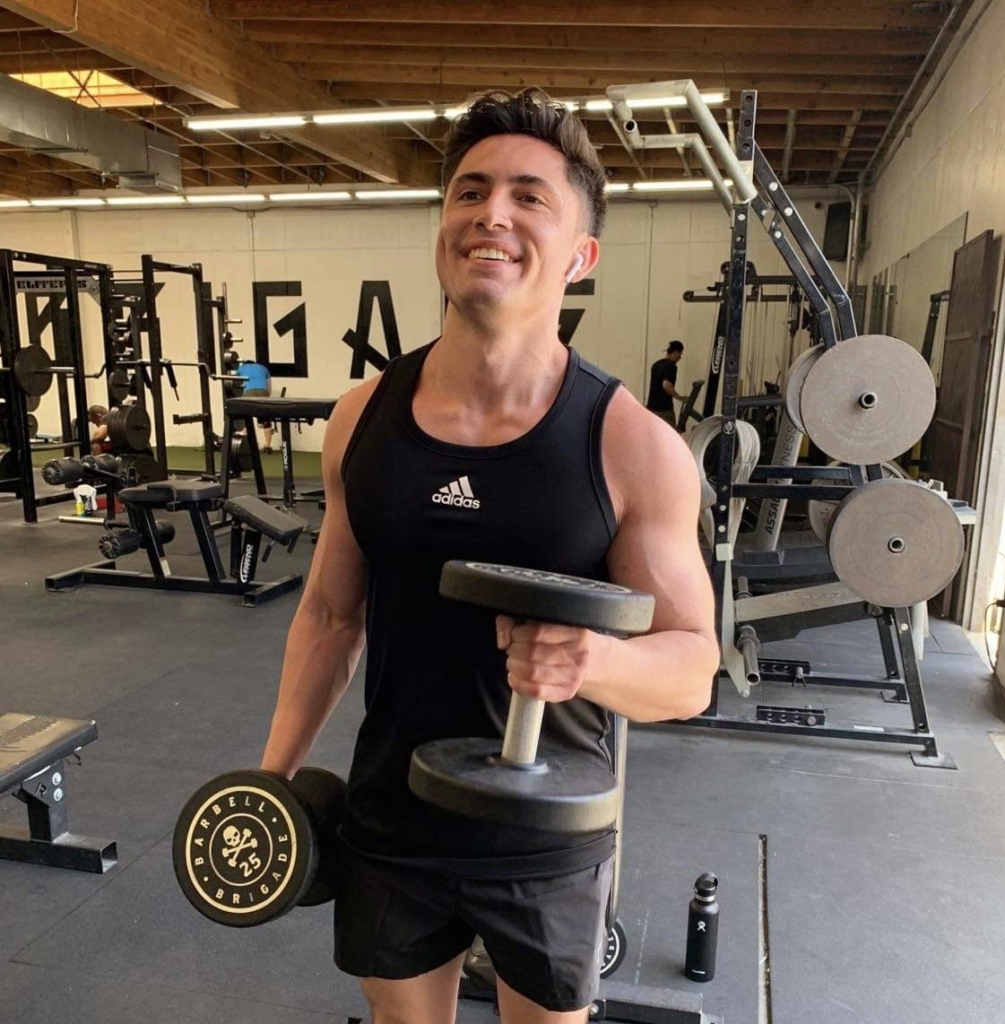
I look at the overlap between physical and mental health. I’ve focused mostly on lifestyle interventions for mental health, so things like exercise, diet, and sleep, but I think my main interest so far has been the exercise piece. We have a lot of literature to show how effective exercise is for mental health, but we don’t always provide it as an option to patients.
This isn’t to say that everyone who has depression should be forced to exercise, but they should be informed of what treatments are available, and providers should be educated on how to provide that information.
Does that mean I think it should be offered as the only therapy? Not necessarily. Just like we combine medication and therapy, we can do the same with exercise. When you speak of lifestyle interventions for mental health, sometimes you get two camps of people: those who think the solution is lifestyle and those who think it’s medication. But I think we need to be in the middle when it comes to exercise.
What exercise would you recommend the most?
The thing with exercise is that if you’re doing something you really like, it’ll be a lot easier to stay motivated and keep doing it. I think that’s the biggest factor. It’s like with diet: you can have the perfect diet on paper, but if it’s expensive and tastes really bad, you’re only going to do it for a couple of days.
“The biggest gains you get from exercise are going from sedentary to moving just a little. So even if you’re just going for a short walk every day to clear your mind, that’s amazing.”
— Dr. Nicholas Fabiano
When I talk to people, I try to see what they’ve done in the past or what they’ve enjoyed. Maybe they used to like running, or maybe they played soccer, whatever it is, we try to find what they like.
Adherence is the most important part of exercise prescription. When you set the bar too high with a certain level of intensity or a certain number of minutes, you lose any buy-in from patients because it’s overwhelming.
The biggest gains you get from exercise are going from sedentary to moving just a little. So even if you’re just going for a short walk every day to clear your mind, that’s amazing.
What else are you currently working on?
A philosophy I hold myself to is that if there’s an opportunity to learn and grow, I’ll take it. So, my overarching research interest is very broad.
I was recently approved to lead the Canadian Network for Mood and Anxiety Treatment (CANMAT) exercise guidelines for major depressive disorder and bipolar disorder, which I’ll be starting in summer 2026. It will involve providing clinicians with a more guided approach to recommending exercise, things like intensity, frequency, etc.
Another thing I’m looking at is exercise mimetics, which are also called exercise pills. These are medications that mimic the physiological effects of exercise, and they might be useful in patients who have barriers to exercise.
Recently, I’ve looked at creatine, microplastics, and diet in mental health.
What do you love most about your role?
My favourite part is just being able to see people, hear their stories, and be part of their journey towards their goals.
In psychiatry, we often provide life-changing diagnoses, and it’s so important to take the time to not only explain what this means, but to also answer any questions the patient, family, or friends may have.
It’s a very privileged position to be in to be able to help people in that situation.
What is The Ottawa Hospital doing in psychiatry that’s exciting right now?
We’ve seen rapid development spearheaded by Dr. Jess Fiedorowicz, Head and Chief of the Department of Mental Health.
There are a whole lot of different interesting collaborations happening: there are direct partnerships with the University of Ottawa Heart Institute looking at the overlap between cardiovascular and mental health, and I’ve even personally been fortunate to collaborate with nephrology colleagues at the University of Ottawa Department of Medicine, where we published a paper correlating electrolyte abnormalities in those with eating disorders to adverse health outcomes.
Whether it’s trials or clinical care, I think it’s super important that mental and physical health are connected entities, as they don’t operate in isolation. We’ve been seeing so much growth, but also connections to other departments, which are both so relevant to patient care.
Where would we find you when you’re not at work?
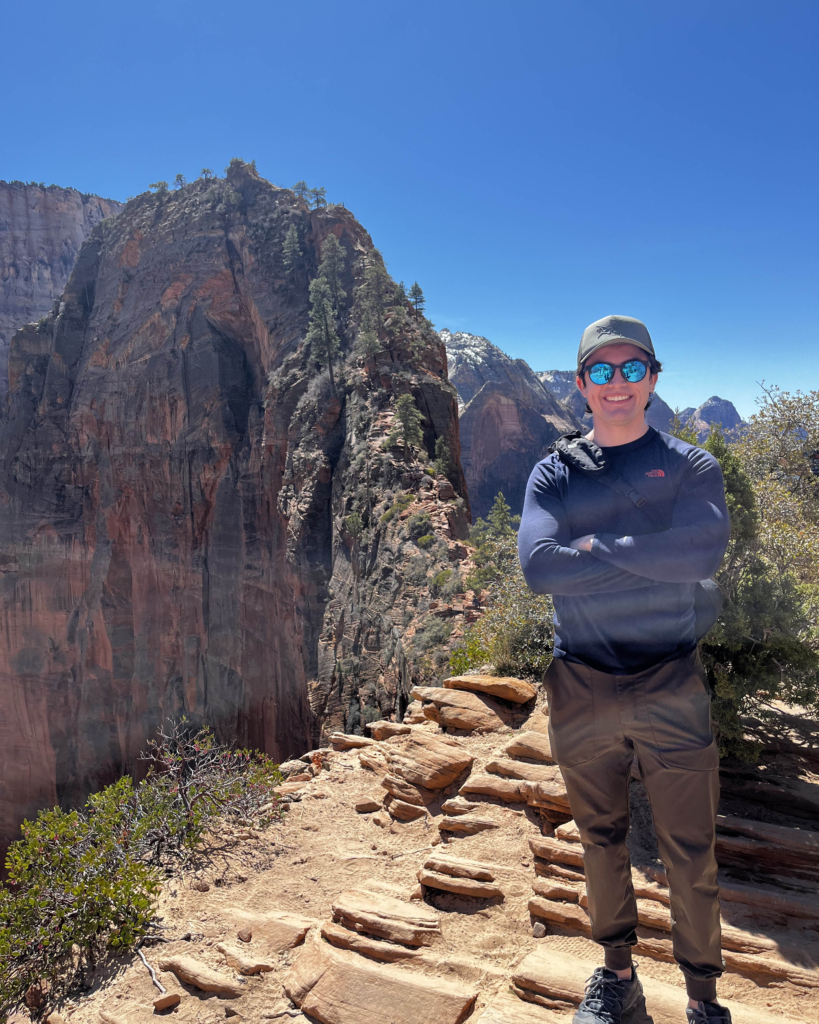
I try to exercise regularly, about an hour a day. I obviously take rest days, but I’ve been proud to maintain my schedule through my Royal College exam year.
When I started medical school, I was so anxious and studying so much that I found I was cutting exercise out. But I hit a point where I felt like if I was doing something where I couldn’t even take care of myself, I shouldn’t be doing that thing. I started reintegrating daily exercise, and I actually did better academically. Now, that hour a day is me time, when I can just put on some music and turn off my brain for a bit. I’ve also picked up cross-country skiing and golf more recently.
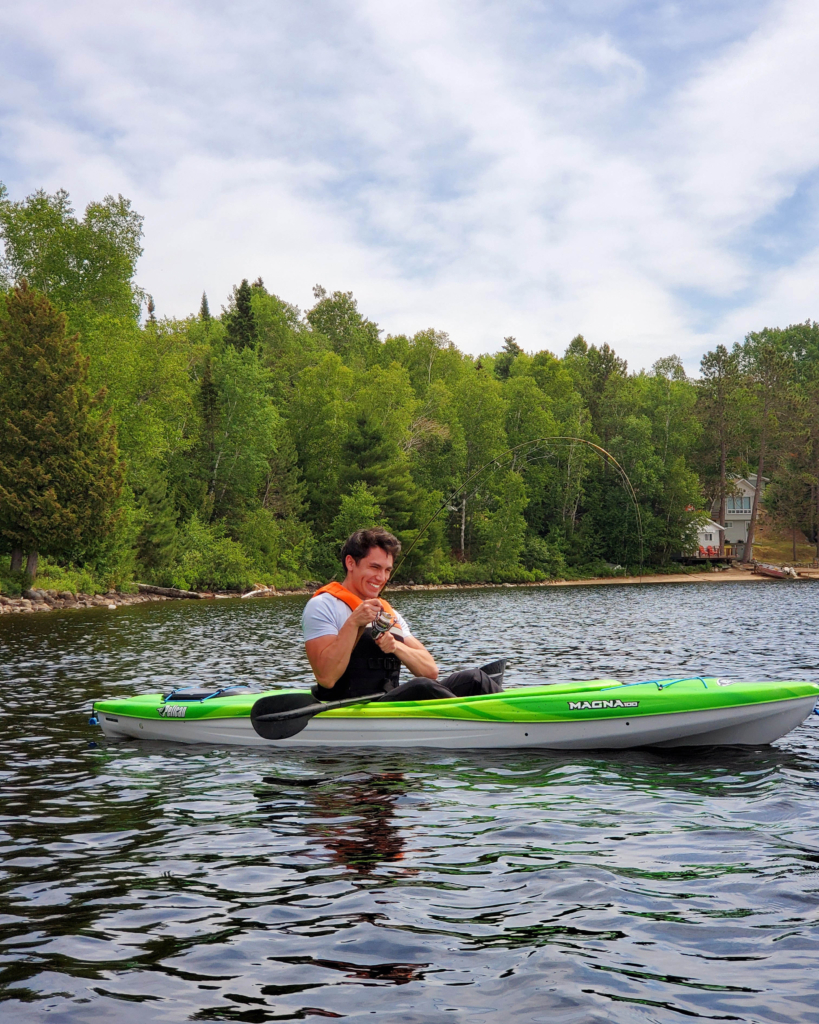
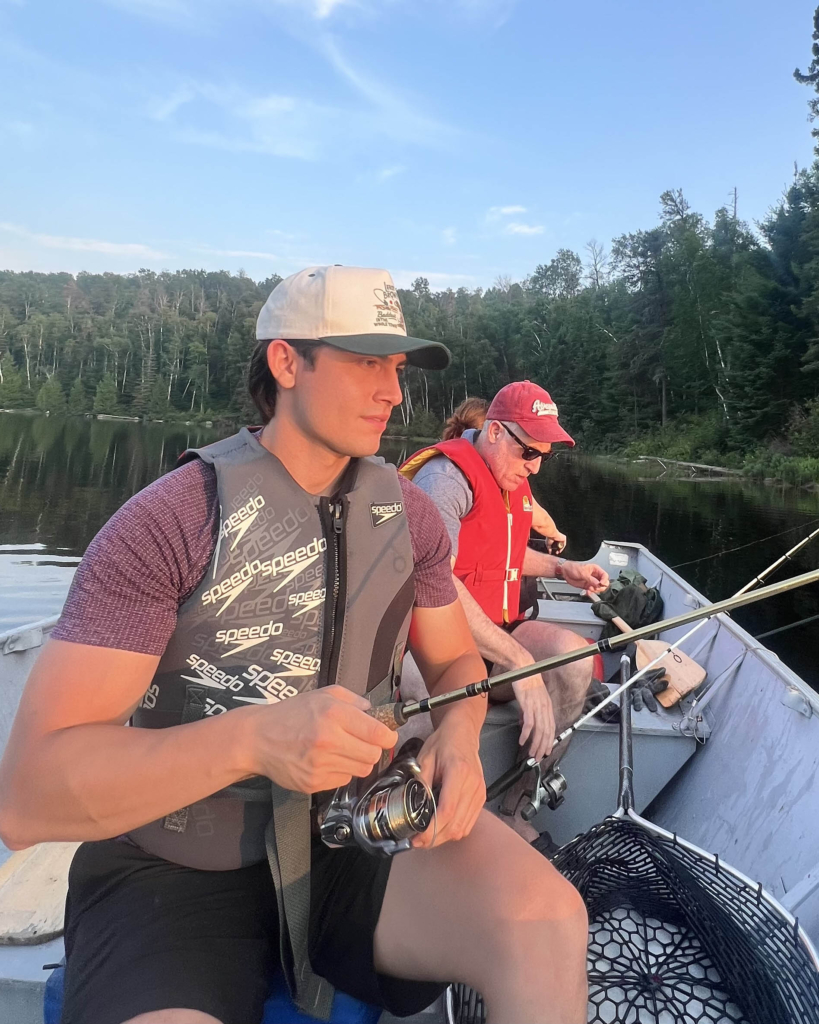
Otherwise, I love spending time at my camp near Thunder Bay, fishing with my family.