
From running army drills to running literal marathons, Dr. Kevin Imrie has been in a lifelong race towards a finish line of better healthcare.
The Hematologist and Scientist at The Ottawa Hospital has spent decades in the lab, in the clinic, and in leadership roles advancing care in his field. From more personalized treatments for lymphoma, his area of expertise, to developing better ways to educate future physicians, Dr. Imrie’s sights have always been set firmly on a better future for his patients.
Find out how Dr. Imrie first decided to pursue medicine, why he came back to Ottawa, and where you might find him when he’s not busy at work.
Q: What were your early years like?
A: I grew up in Sandy Hill, here in Ottawa, and went to Glebe Collegiate. My favourite subjects were math and science, but I was never very good at gym. I was big into science fiction, though, and into board games. I was a nerd that way. Way back in the day, I went to science fiction conventions, liked offbeat B movies, and played Dungeons and Dragons.
Q: How did you decide to pursue medicine?
A: In high school, I joined the armed forces as a summer job, and I worked for the reserves all through university and only stopped for my residency. It had a big influence on my path. I started with the engineers and then quickly moved to the medical corps. I was helping out, doing some basic first aid, and as I worked with more doctors and nurses, I realized I wanted to do more of that. The army was a huge part of my life for probably a decade, and it felt like I was doing something real that I was growing up.
Q: What drew you to hematology specifically?
A: A couple things drew me to hematology. The first is that it’s a specialty that really bridges the science and lab with clinical practice. You look at blood, you interpret tests, you work with pathologists, but you’re also seeing the patients and interacting with them. It’s the patient connection side married to the sophisticated science side.
The second is you tend to build very long-term relationships with patients. Because of the nature of what we do, we’re often treating patients for years or decades. When I left Toronto, I had patients that I had met during my first months of practice almost 30 years earlier.
Q: What does the research side of your practice focus on?
A: My research has been in patients with blood cancers, with lymphomas being the most common blood cancer. And I’ve been mainly trying to use our increasing understanding of the science of these cancers to develop treatments that are specifically targeted for individual patients.
Q: You worked on Ted Wagstaff’s non-Hodgkin’s lymphoma; what made his case unique?
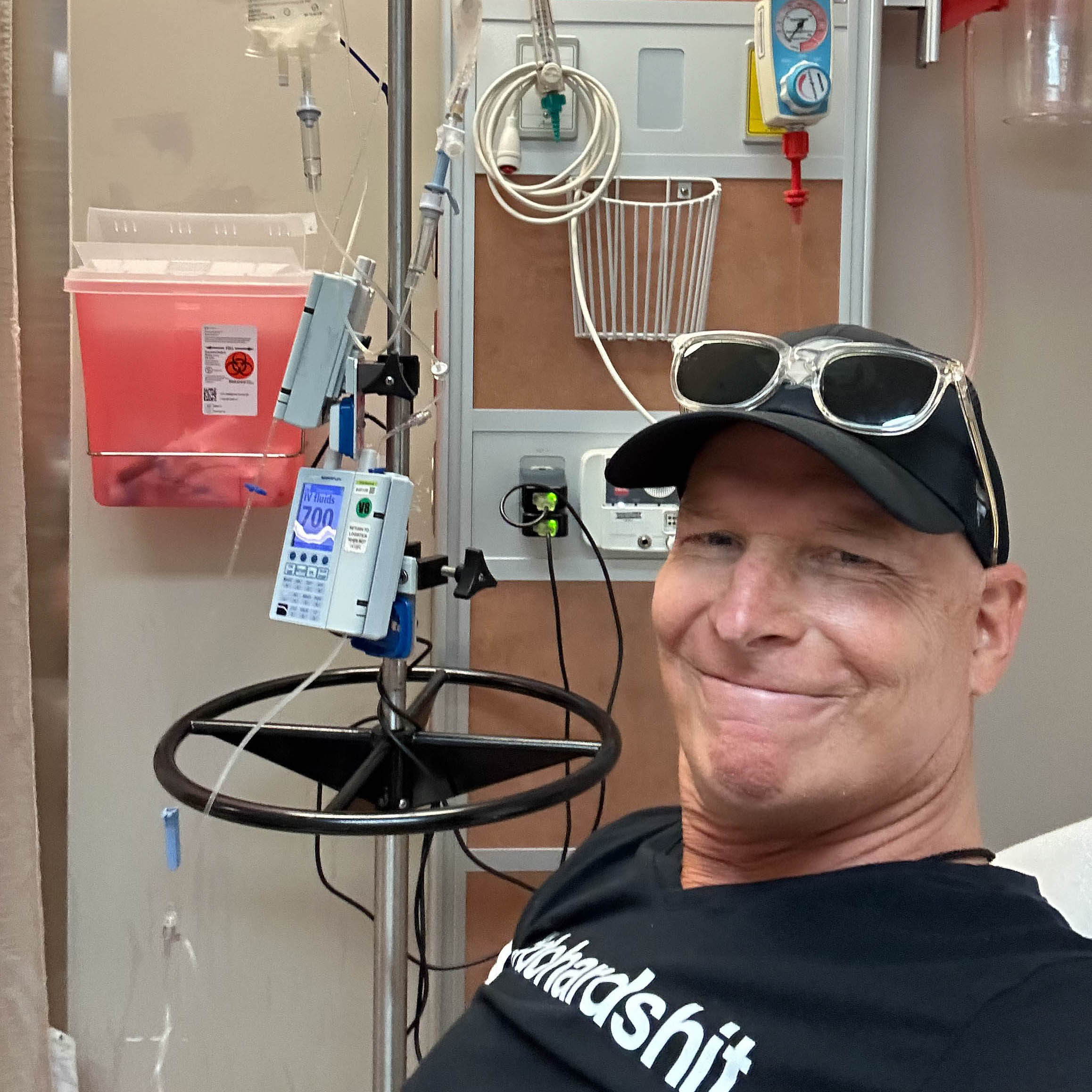
A: First of all, although he’s a very athletic guy and was in good shape to begin with, his cancer developed very quickly, so there was a real urgency to getting started with treatment. The other thing that made it unique was how we tailored the treatment very specifically around the rare subtype of his tumour. Finally, we also put a lot of effort into making the treatment work for him and for what’s important for his lifestyle, which was staying active during treatment and getting back on track quickly after.
Q: Why did you choose to come back to Ottawa and work at The Ottawa Hospital?
A: I’d had a fulfilling career in Toronto, and for the last 10 years of it, I was in senior leadership roles as the Physician in Chief at the Sunnybrook Health Sciences Centre and as President of the Royal College of Physicians and Surgeons. These administrative roles all finished around 2019/2020, and it was a natural window for me to do something new.
It felt natural coming back to Ottawa, and one of the nice things about being here is that it’s a nice contrast to Toronto. In Toronto, everything is large and decentralized. Medically, one hospital does certain things, and another does others. Some of my patients had to have their care split across three hospitals. Here at The Ottawa Hospital, it’s all in-house, and it’s all very well coordinated. I don’t have to refer patients out.
I have really great colleagues to work with, inside the department and out, and it’s made the transition really seamless.
Q: What is The Ottawa Hospital doing in hematology that’s ground-breaking?
A: The Ottawa Hospital is leading T-cell therapy, and particularly in a type of specialized immune treatment called CAR-T therapy. It’s used in lymphomas and some other blood cancers. We are a national leader in this area, and not only do we use and test CAR-T treatments, but we actually develop our own. It’s a complex, sophisticated treatment, and it’s not easy to do.
Q: What are you proudest of in your career?
A: There have been different things at different times. I’m really proud of having expanded the Department of Medicine at Sunnybrook. At the Royal College, I’m very proud of what we did in advancing medical education in Canada. I’m proud of the fact that we’ve created a Canadian Skin Lymphoma Network to advance the care of patients with skin lymphomas.
The last thing I’m proud of is, and this one was a bit of a surprise to me, the work I’ve done at The Ottawa Hospital’s satellite cancer clinic in Renfrew. When I moved back here, I was asked to take it on. I’d never worked at a community hospital before, and I love it. I get the opportunity to be part of a big, highly subspecialized program for four days a week, and then one day a week, I get to be in a community hospital that’s providing care closer to home. I’m pretty proud of what we’ve done to expand this, and the way we limit the need for patients to drive a couple of hours for treatment.
Q: Where would we find you when you’re not at work?
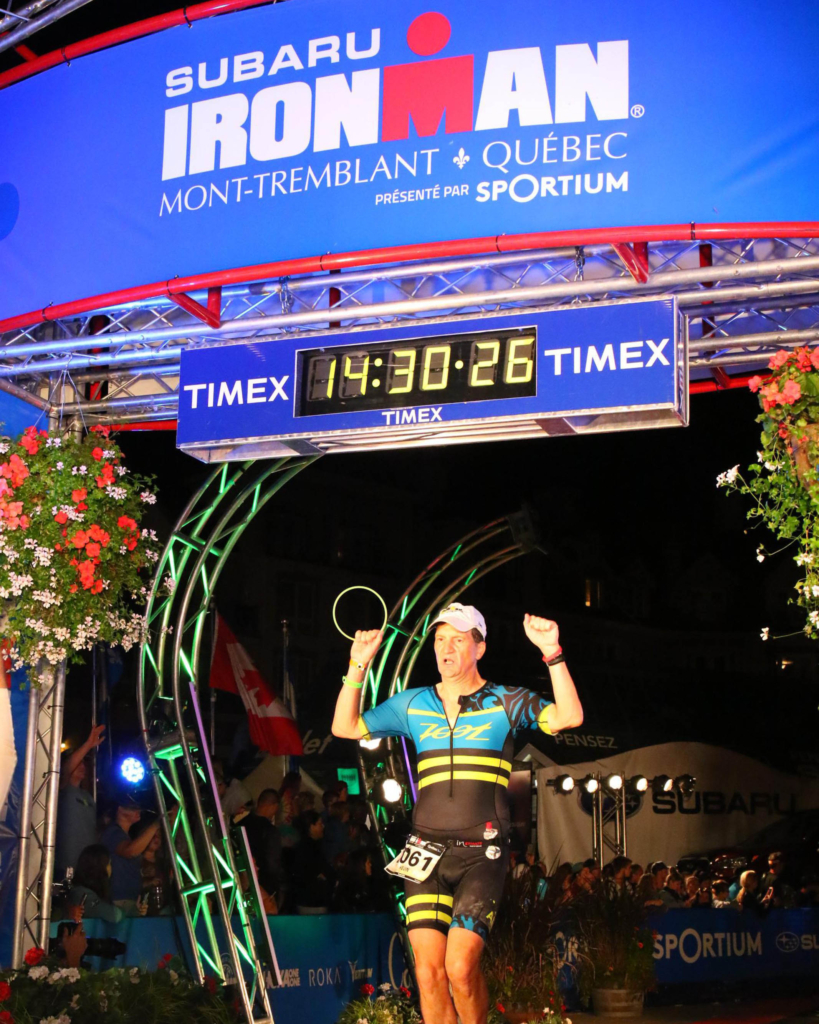
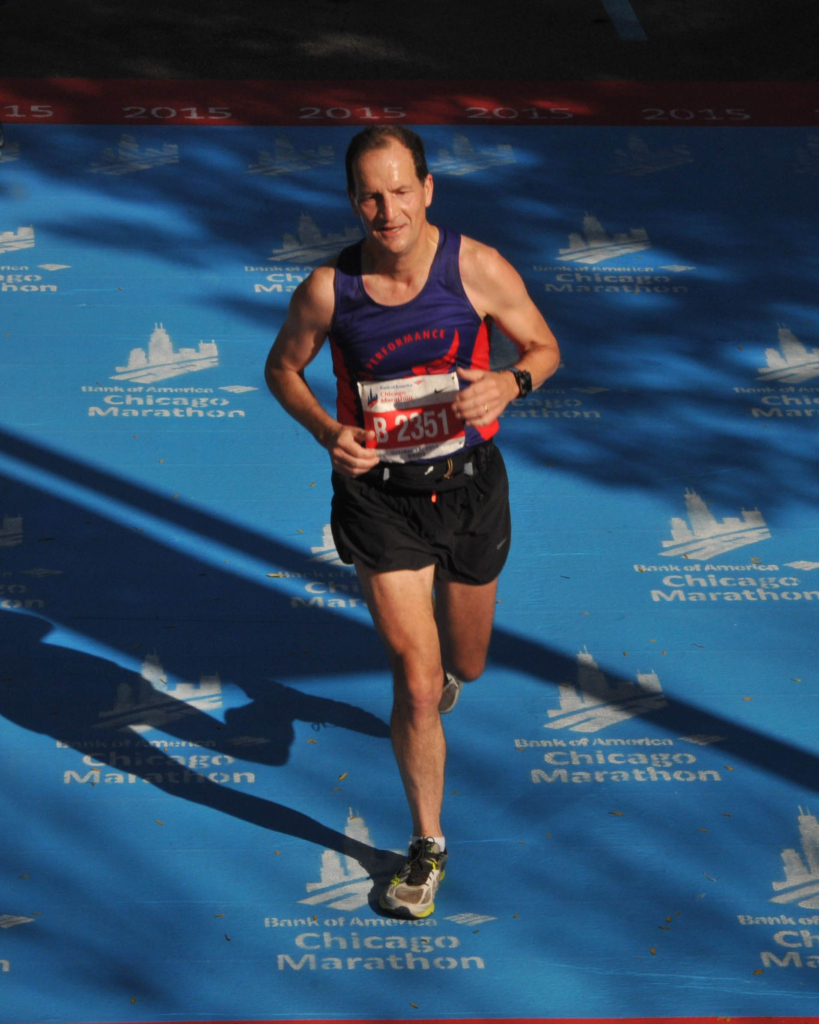
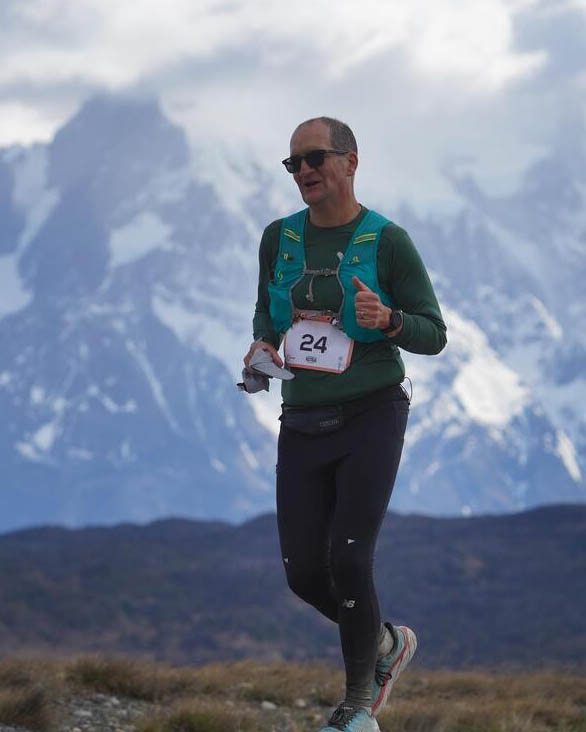
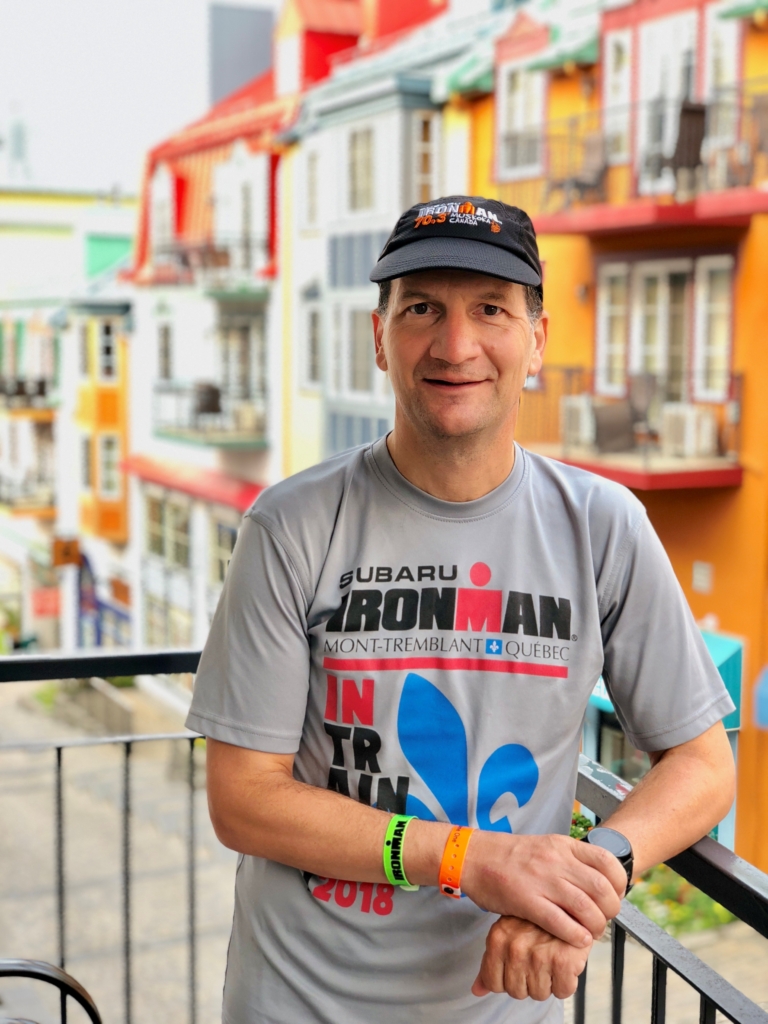
A: I was never athletic growing up, and I wasn’t all that healthy into middle age. But when I turned 50, I made the decision to try and focus on changing things and took up running with the intent to run a half-marathon and never run again. But I fell in love with it. I progressed through different goals, and now I’ve run marathons in Canada and beyond. I’ve run the big six marathons in Boston, Chicago, New York, London, Berlin, and Tokyo. I’ve actually done a marathon on every continent — including Antarctica.