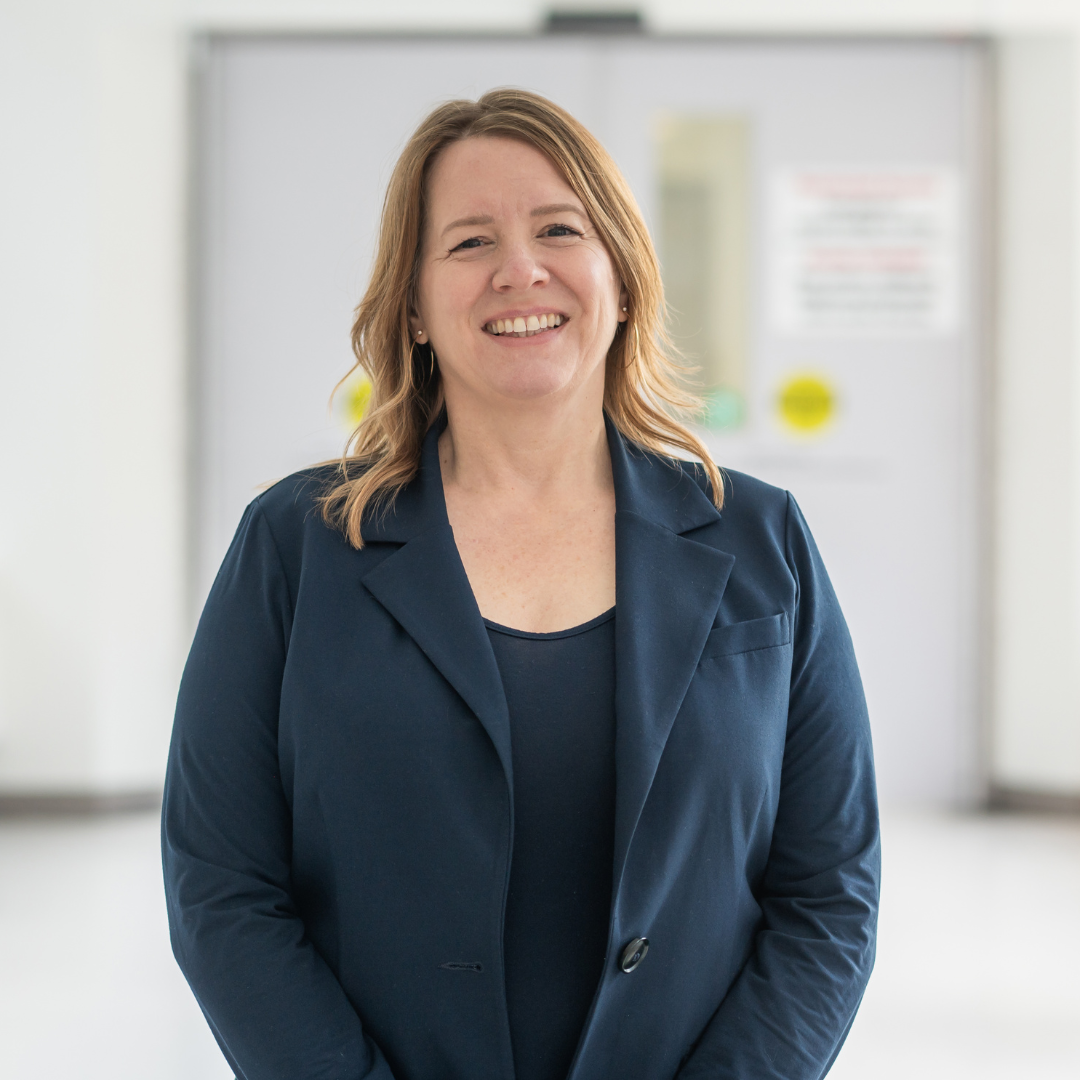
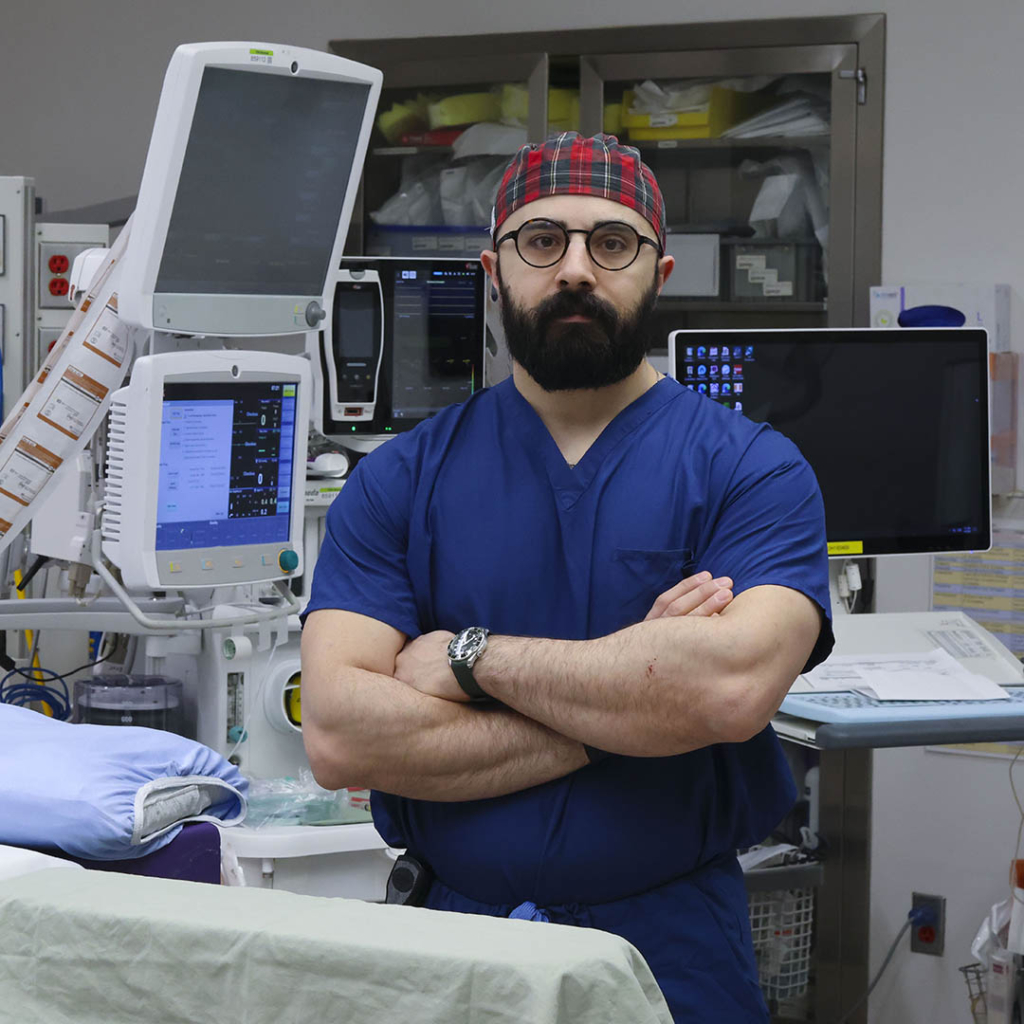
Dr. Alan Chalil

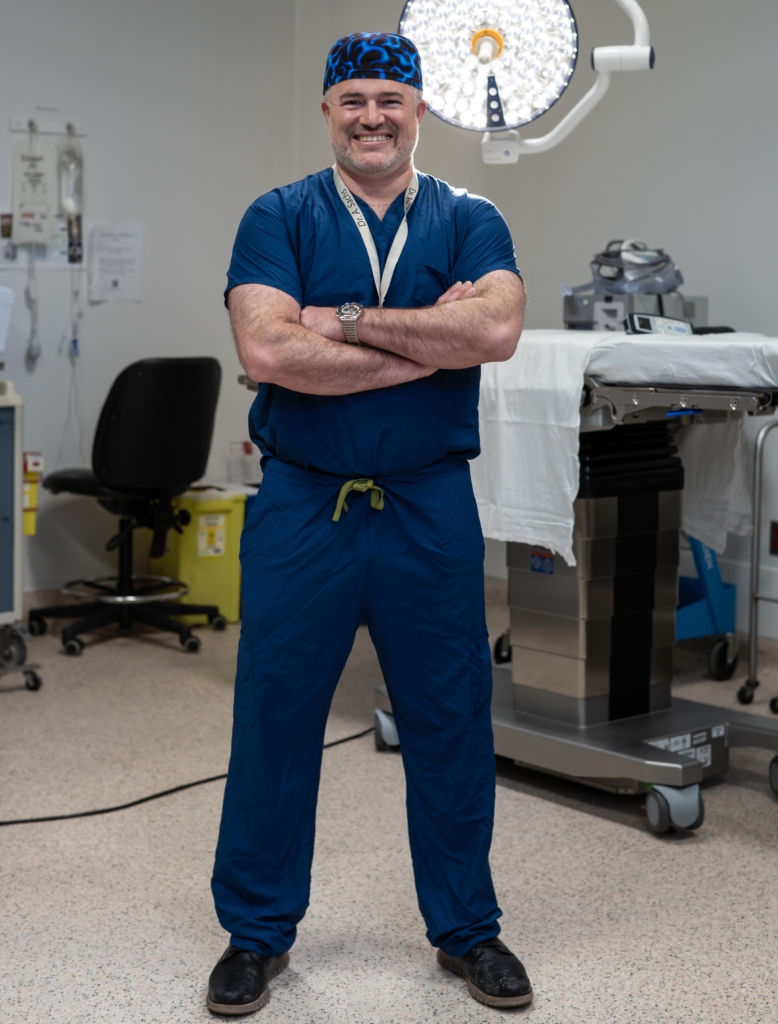
There were moments Dr. Alan Chalil didn’t know if he would become a neurosurgeon, but those were few and far between. Usually, it seemed like he was born to be one, and in many ways, he was. The neurosurgeon, researcher, and Director of The Ottawa Hospital’s Surgical Epilepsy Program knew what he wanted to be from an early age, and he pursued that goal with dedication from day one. 

Today, Dr. Chalil is transforming the way we understand and treat epilepsy, in Ottawa and far beyond, through his practice-changing research and incredible clinical work.  

Find out who Dr. Chalil’s first patients were, what key lesson he learned in his undergrad, and why he’s excited about the future of epilepsy research and care. 

Q: What were your early years like?

A: I grew up in Syria and I was a nerdy kid. I mostly focused on studying, playing chess, painting, and playing guitar. I was never that excited to wake up and go to school, but in Syria, they ranked your grades and published them for everybody to see. There was some shaming there. I was always proud of being top of my class and never wanted my name to be two or three, so that was my motivation to go to school. 
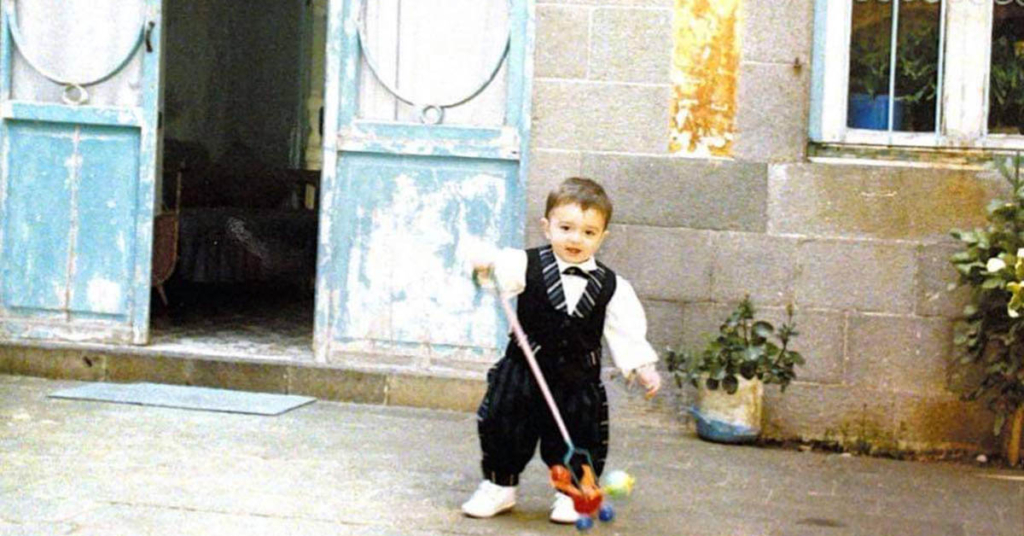
A young Dr. Chalil in Syria.
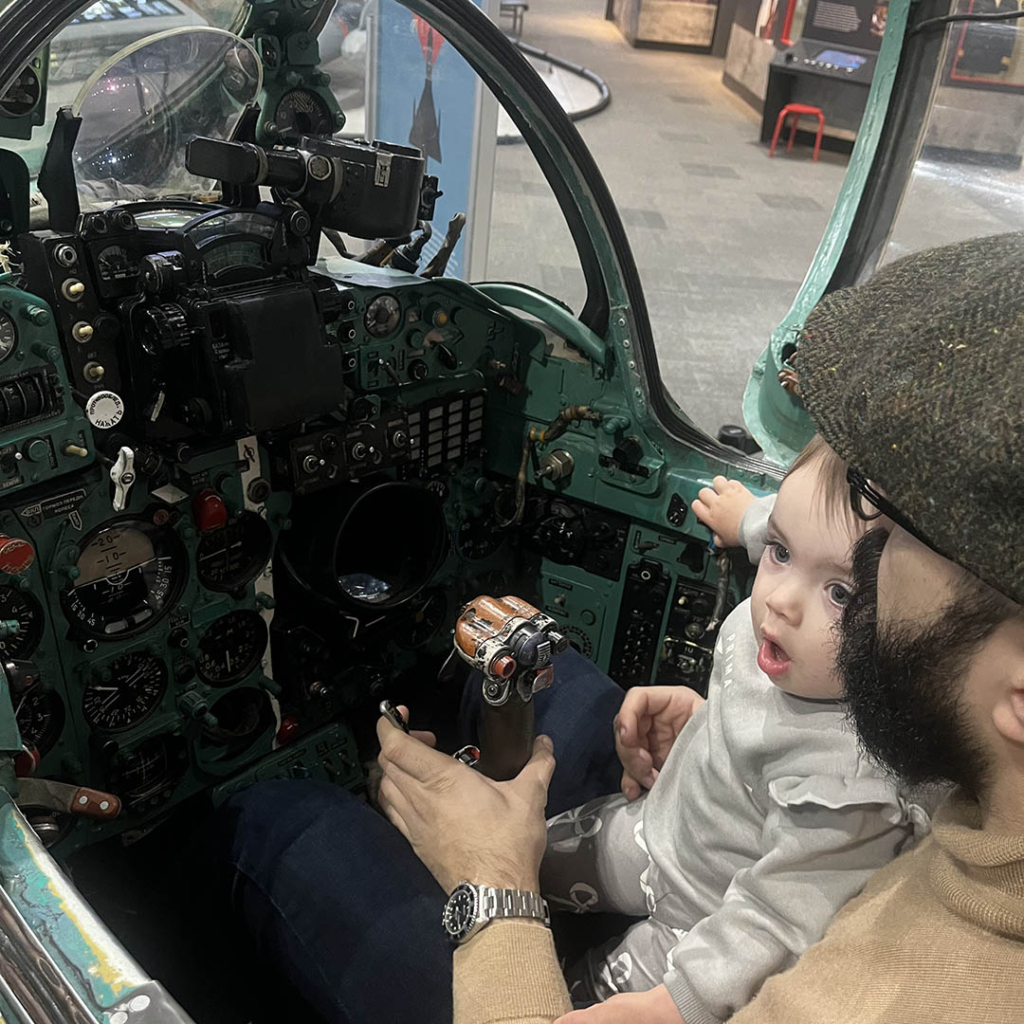
Dr. Chalil and his daughter learning about planes.
Dr. Chalil steering his daughter in the right direction.
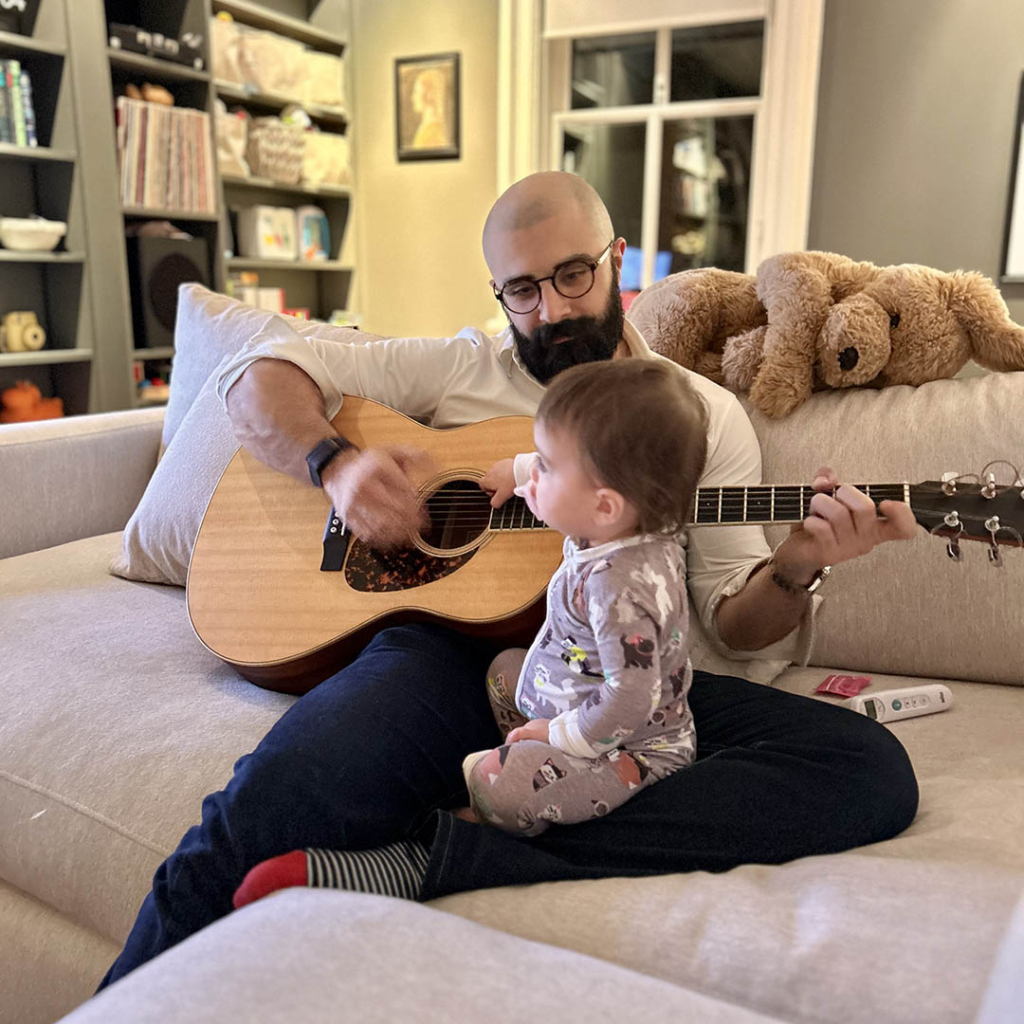
Dr. Chalil and his daughter duet.

Q: What was your favourite subject in school?

A: Physics! I was always a fan of physics and anything mechanical. I loved cars, watches, planes. Even the mechanism on a lighter would fascinate me. I would build little cars with electric engines, and it taught me how to use my hands. I always knew I wanted to do something with my hands.

Q: What did you want to be when you grew up?

A: I wanted to be a neurosurgeon. My dad was a neurosurgeon, and he always said it wasn’t a good idea and that I should do something different. But ever since I was a kid, I thought he had the coolest job. I used to do operations on my teddy bear’s head.

There were certain times I didn’t think it was achievable, though. I moved to Canada on my own in 2006, between Grade 11 and Grade 12. That’s when I realized how difficult it was to get into medical school.

That was probably one of the hardest years of my life. Jumping into a new society when you’re a teenager is a big transition. I’d never used English conversationally, so I got a job in a grocery store to learn and worked in grocery stores and in construction up until grad school.
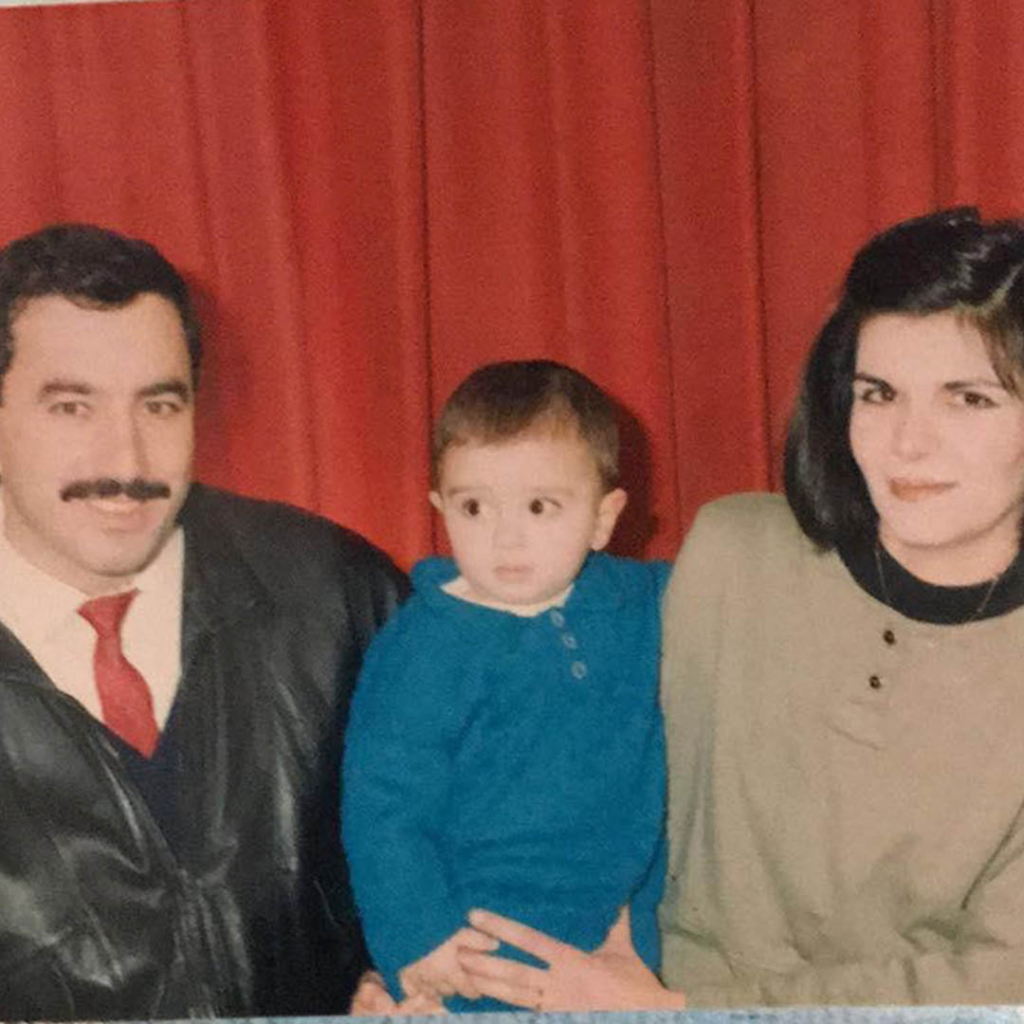
Dr. Chalil and his parents

Q: What did your path to medical school look like?

A: I applied to the University of Waterloo for mechanical engineering and health sciences, and while I initially accepted for engineering, I changed my mind because everyone told me I couldn’t get the grades for medical school in that program. I still regret that.

I failed at getting into med school multiple times, but during my undergrad, I worked in a lab for physiology and lipid fat metabolism, and I wound up doing a master’s in that lab. When I was finishing that, I decided to apply for medical school at the University of Toronto one last time.

The funny thing is, after I applied, they sent me an offer for an interview. I was so excited that I ran out of the lab mid-experiment to tell my supervisor, and he hugged me. But then I got an email 10 minutes later saying the offer was an error. Two days later, I got yet another email, but I didn’t believe it, so I deleted the email. They had to email me again with “FOR REAL” in the subject line.

After medical school, I did my residency back in London and then a fellowship at Emory University in Atlanta, Georgia.

Q: What’s the most important lesson you learned in school?

A: There was one course in my undergrad that was really interesting: statistics. I was great at it, and I did all the extra assignments. I was that kid in the class — the annoying one, the teacher’s pet. When it was time for the exam, I went into it with 110% because of all the extra credit I’d done. I stayed up all night studying, then decided to get a little shut-eye at 6:00 a.m. When I woke up, it was 9:30 a.m. The exam was at 8:30 a.m. It was such a nightmare that I honestly didn’t know whether I was still asleep. I’d missed three-quarters of the exam, and I wound up with an 89% in the class.

It was the definition of the phrase “the opposite of good is perfect.” I learned a lot more than statistics that day.

Q: What drew you to epilepsy?

A: When I started medical school, epilepsy wasn’t even on my radar yet. During medical school, you can apply for multiple specialties, but I didn’t think I’d be as good a doctor anywhere else, so I only applied for neurosurgery. I matched in London, which is a very old program and has the biggest epilepsy program and the biggest functional neurosurgery program in Canada.

There, I met Dr. Andrew Parrent, who had one of the most profound impacts on my life. I was fascinated by his understanding of neurology and anatomy. In his clinic, I saw people like me — living normal lives, not looking sick — but who had epilepsy.

For many neuro cases, you’re trying to make the best of a bad situation — removing a tumour, resolving an injury. But with epilepsy, people typically have an intact brain, and you’re trying to find the balance of preserving neurological function while giving them freedom from seizures. It raises the stakes.

Q: What’s something people might find surprising about epilepsy?

A: What’s interesting is that most people think of epileptic seizures as like what they see on TV, as general convulsions. But epileptic seizures can manifest in a lot of different and weird ways. It can feel like a déjà vu sensation, like a face or arm twitch, or like an absence, where you stare into space. Alice in Wonderland type seizures make you feel like you’re small, but like the room is huge.

Epilepsy is not as simple as generalized convulsions. Most people don’t even know they’ve had seizures.

Q: What would you tell someone who has just been diagnosed with epilepsy?

A: I would tell them that no matter what, they’re still the same person they were before. I’d tell them, depending on their epilepsy, there’s a very good chance they’ll respond to medication — up to 70%. I would be supportive and sympathetic. It’s a very serious disease, and it’s important we catch it early.

Q: What is one of the groundbreaking procedures you’re currently using for epilepsy? 

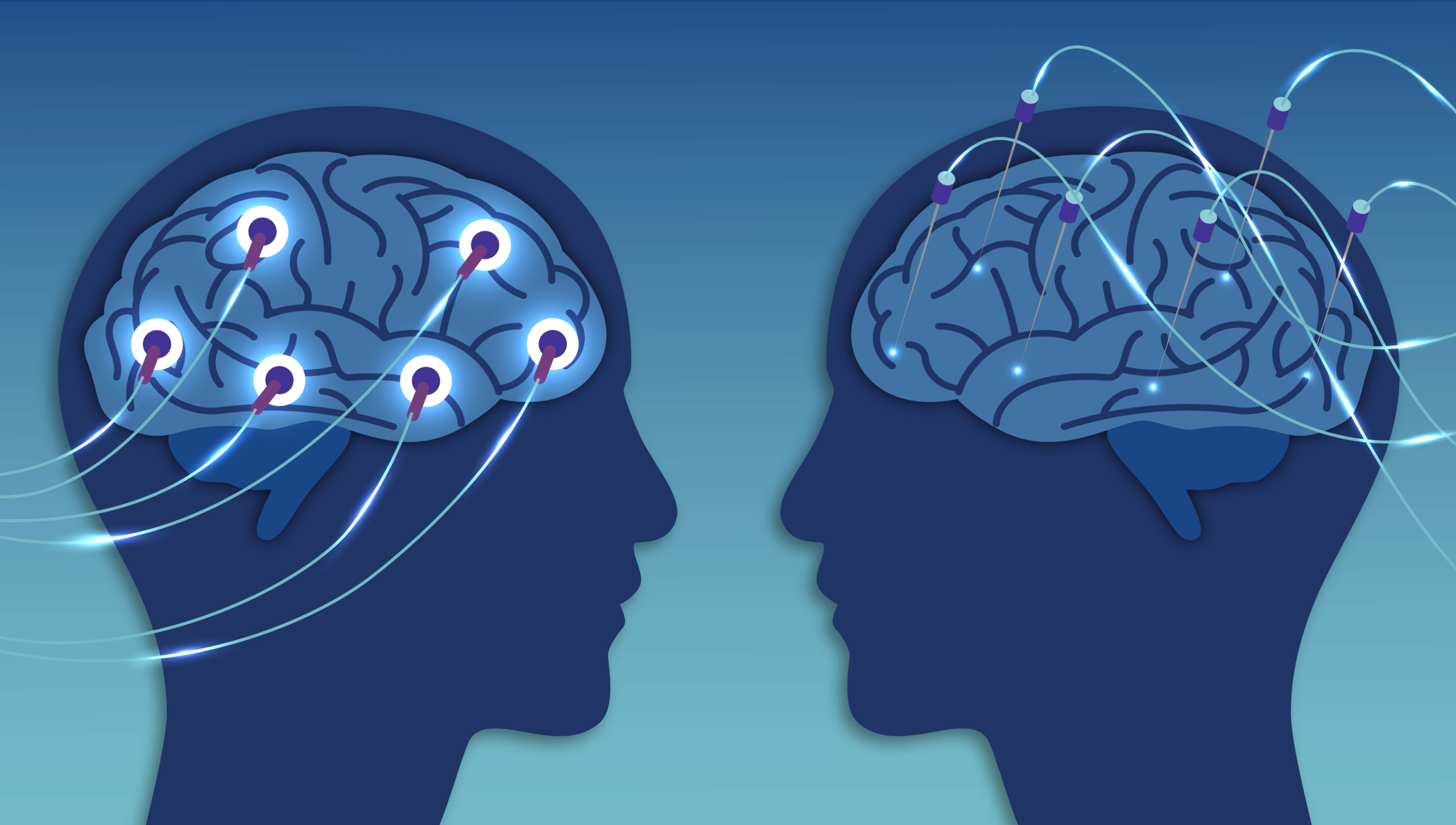
A: Something I specialize in is stereoelectroencephalography (stereo EEG), a minimally invasive procedure to pinpoint the source of seizures. Epilepsy is a network disease, and with this procedure, we try and identify which network in the brain is abnormal, then we implant tiny electrodes in the brain, down to a millimetre accuracy, to study where the seizures are coming from and how they’re spreading to other networks.

I have to answer two questions: where are the seizures coming from, and does the patient need that area or not? Every part of the brain is important, but there are some parts that could be causing you seizures, and there may not be a huge or negative impact if we disconnect that part of the brain. Stereo EEG helps us find out how to disconnect these areas with minimal impacts elsewhere.
Q: What is the future of epilepsy treatment?

A: The future of epilepsy is very tied to its past. In the last few years, we started experimenting with older treatments that we used decades ago, like radiofrequency ablation. But we’re using them differently today — we’re smarter, more targeted, and more methodical.
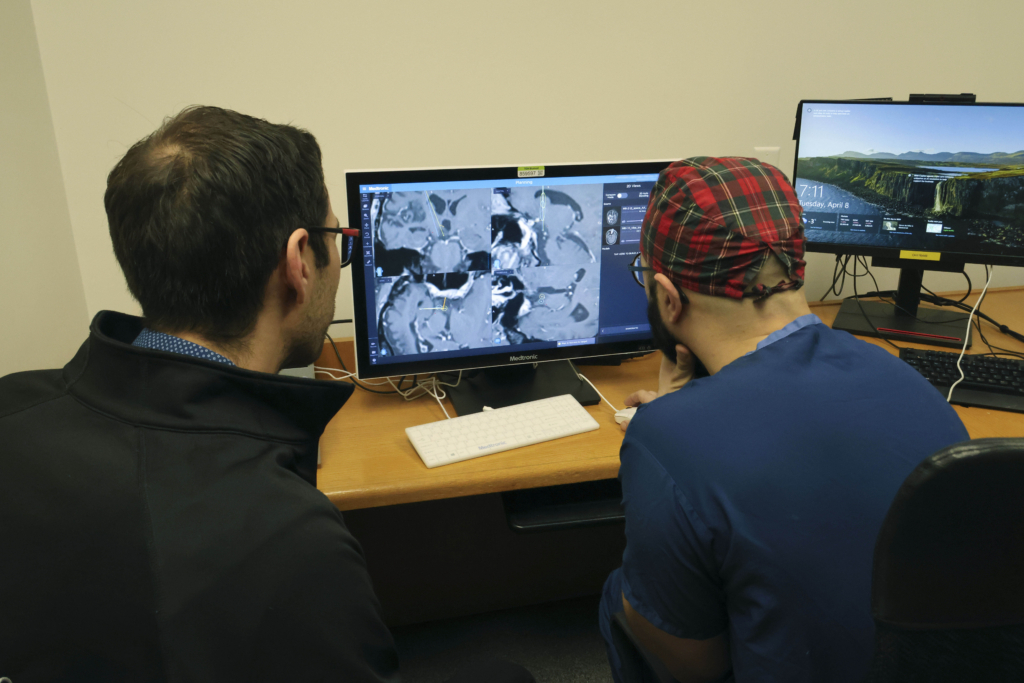
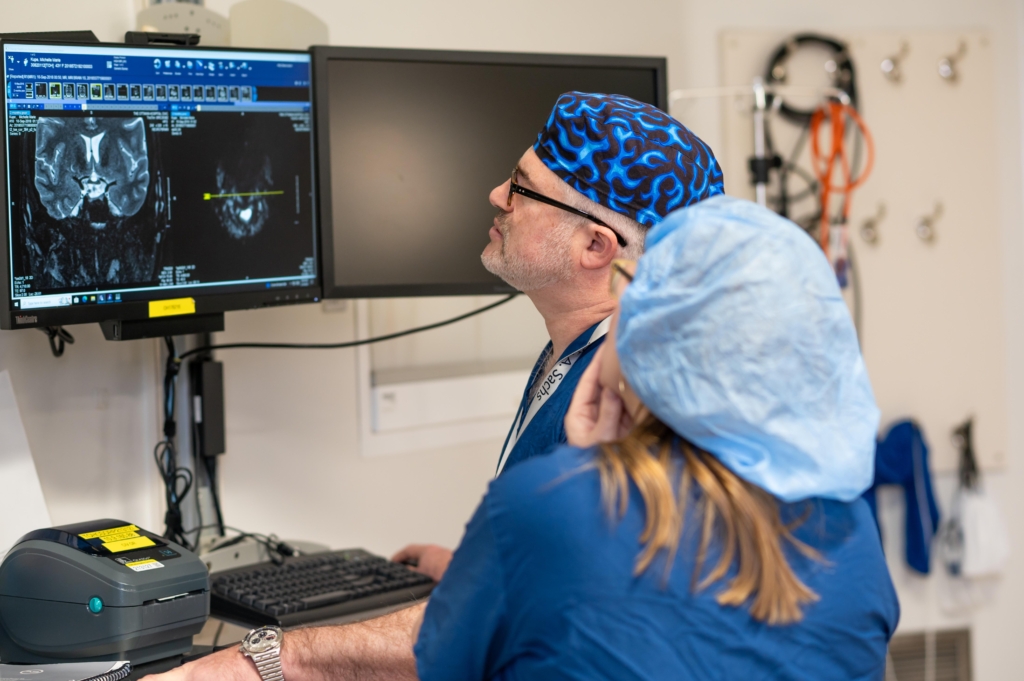
Dr. Tadeu Fantaneanu and Dr. Alan Chalil from our Epilepsy Program

Neurosurgery is so young that I can trace my lineage back to the father of neurosurgery a century ago, Dr. Harvey Cushing. He trained Dr. Wilder Penfield, a famous Montreal neurosurgeon, who trained someone else who trained someone else and so on until the neurosurgeon who trained me.

We still don’t know a lot. And you don’t know what you don’t know; that’s the fascinating part. We’re operating at the edge of our knowledge. We’ve made a huge amount of progress in the last 50 years. The pioneers of the past, like Dr. Penfield, paved the way for epilepsy surgeons today. I’m sure Dr. Penfield was also operating at the edge of his knowledge. We’re trying to do the same, but we have the advantage of retrospect.

I think in the future, there’s going to be a big role for brain-computer interfaces and brain implants. We are already implanting devices that communicate with the brain: they sense a seizure and try to stop it by producing small electric currents in the brain.

The future is bright for epilepsy because as long as there’s interest and funding to do that, we’ll continue pushing forward on a daily basis.

Q: What does community support mean for your patients?

A: Community support is huge because we’re trying to deliver minimally invasive options to patients to cure their epilepsy or reduce their symptoms. A lot of the equipment we’re using is cutting-edge and expensive. When we do a stereo EEG, it can cost $10,000 to $15,000. Right now, we’re collecting funds for a robot that can help us insert the electrodes for stereo EEG faster and more accurately.

Q: Why did you choose to work at The Ottawa Hospital?

A: The chance to start an epilepsy program drew me to Ottawa. There are multiple centres in the country, and two others in Ontario, but this was a chance to build a program from scratch and bring everything I learned in London and Atlanta to create something unique and different. I don’t have any doubts that we will become one of the busiest, if not the busiest, epilepsy programs in the country. To be a part of that story would be a huge honour.

Q: What motivates you to come into work every day?

A: What I truly look forward to is changing someone’s life for the better, even if it’s just a small improvement in pain or a reduction in their seizures. When you operate on an epilepsy patient who’s having seizures every day for years, and they wake up without them, it’s very satisfying. I tend to be very self-critical, too, and think I need to do better. I just want to improve on what I did the day before, and that’s a huge motivation. At a certain level, I am still competing to be at the top of that list from elementary school.

Q: Where would we find you when you’re not at work?

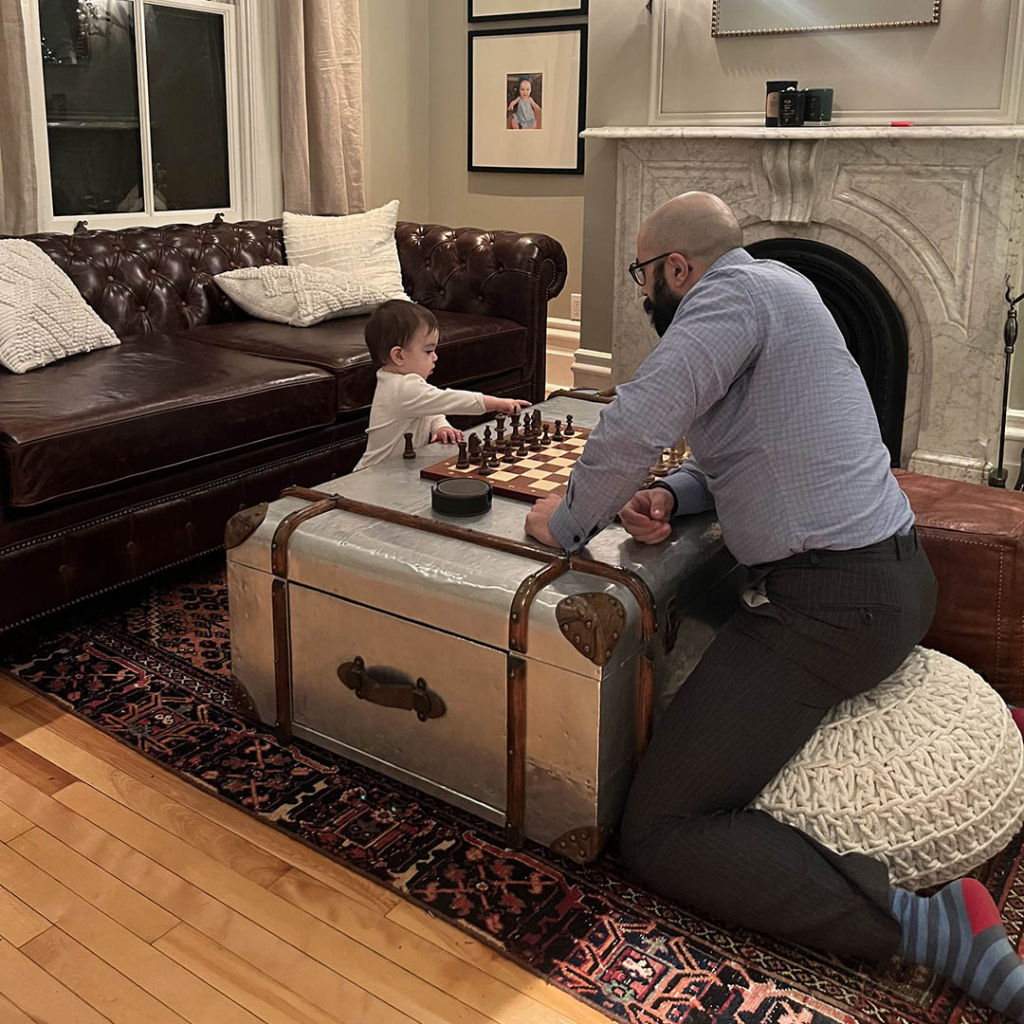
A: I go to the gym every morning first thing. Other than that, you’ll find me with my daughter trying to teach her chess. She can name all the pieces and knows where all the pawns go. She’s just 18 months, though, so she needs closed captions; she’ll say something to me, and I’ll look at my wife Courtney to translate.

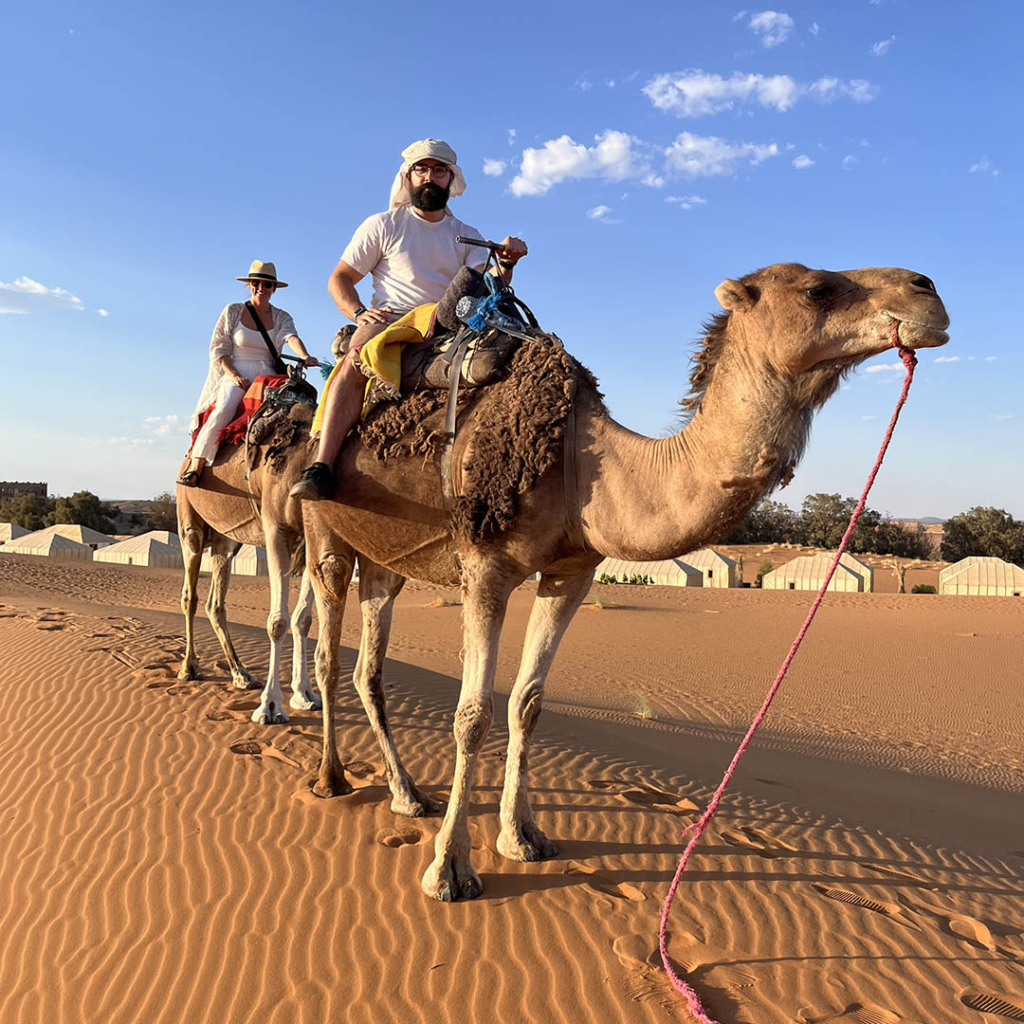
Dr. Chalil and his wife travelling.
Dr. Chalil losing to his 18-month-old chess master.
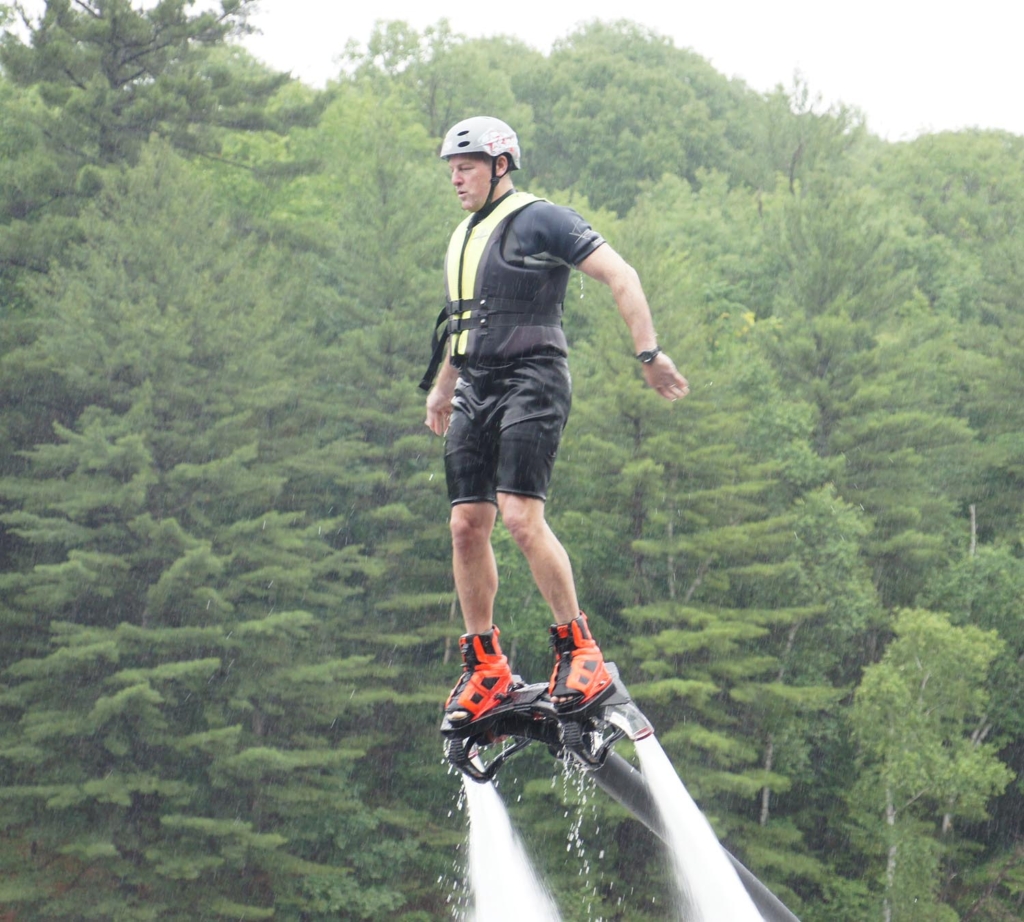
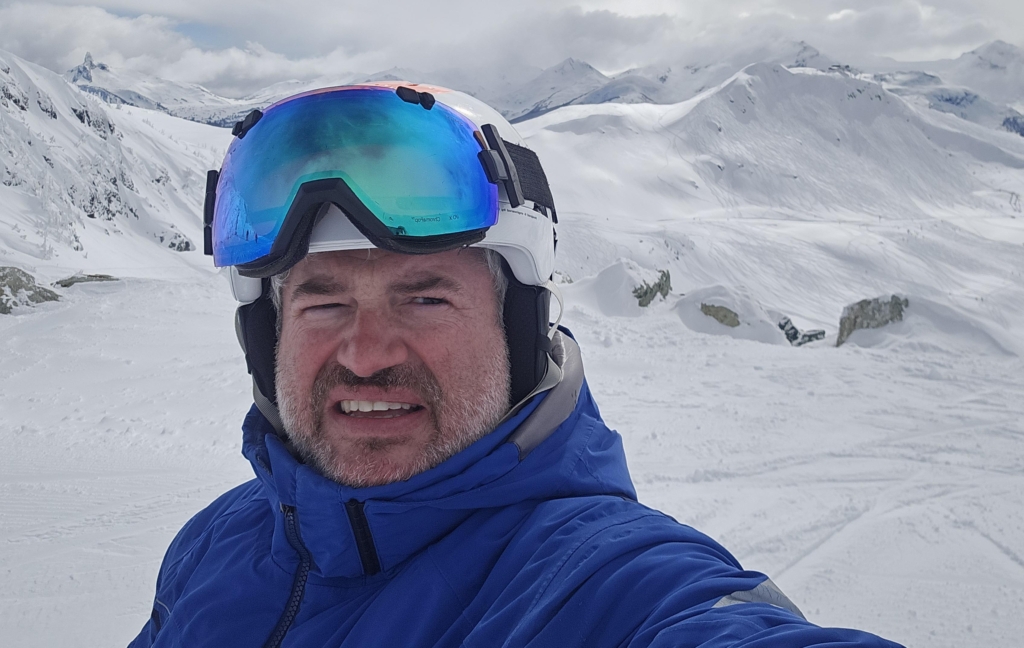
Dr. Chalil on an adventure.
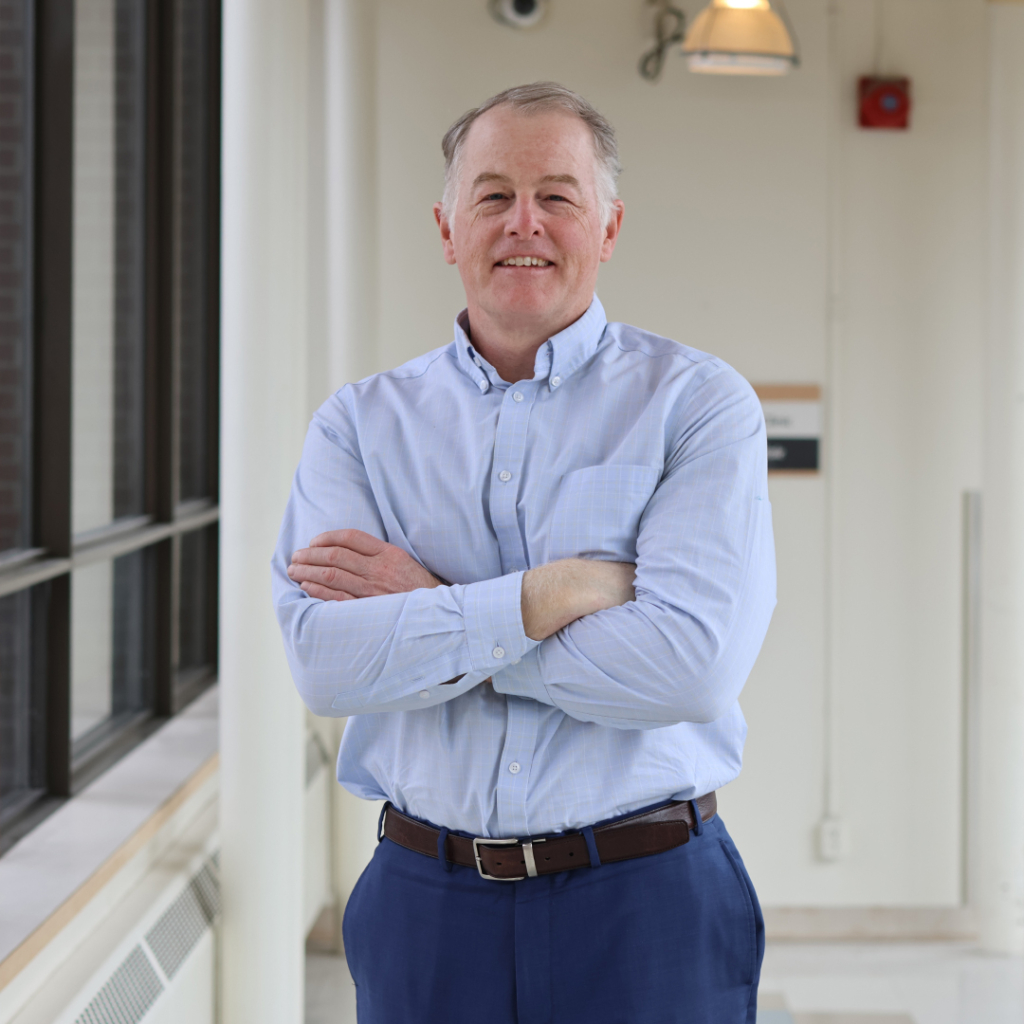
Dr. David Grimes

Like father, like son, the saying goes. But Dr. David Grimes was dead set on making his own way in the world of medicine.

Son of the much-admired neurologist, Dr. J. David Grimes, he never thought he’d wind up in the same field, let alone studying the same exact disease, as his father — but life had other plans.

Now a Neurologist and Associate Scientist at The Ottawa Hospital, and Director of the clinic that his father founded — the Parkinson’s Disease and Movement Disorders Clinic — Dr. Grimes is leading a new generation of researchers as they take on Parkinson’s and treating some of the very same patients his father did.

Find out how Dr. Grimes got pulled into the field of neurology and what advice he has for people diagnosed with Parkinson’s.

Q: What were your early years like?

A: I was born in Cleveland, Ohio, but I grew up in Ottawa’s west end.  

I went to Sir Robert Borden High School, where I struggled at English but the sciences were up my alley. My wife always teases me that I almost failed Grade 13 English then went on to write two books and over 100 research publications. But back then, I was a science guy and a gym rat. I played every sport available through grade school and got into football in high school. 

Family was very important growing up. I was one of six siblings, and every Sunday was family day; you had to be around. My father would arrange various nonsense games or tennis tournaments, and there were enough kids that we’d have our own teams. I’m the second born, and my older sister was my boss. It’s a family joke that she got into hospital administration when I got into medicine. 

Q: How did you decide to study medicine?

A: I knew I wanted to be a doctor quite early on. My grandfather was a dermatologist, and my father was Dr. J. David Grimes, founder of the Ottawa Parkinson’s Disease Research Laboratory at what was then the Ottawa Civic Hospital. I admired them both.

I also started working at the Civic as a porter when I was 16 and stayed until second year medical school. Back then, many sections of the hospital weren’t air conditioned, and we’d have big buckets of ice with fans blowing on them all summer.

While I knew I wanted to be a doctor, there was this cliché of following in your father’s footsteps, and I didn’t want to do that. I wanted to branch out on my own, so I started in internal medicine and studied at the University of Ottawa.

Q: How did you wind up in neurology and specializing in Parkinson’s?

A: The problem is, my father and I tended to have pretty similar personalities. I was helping him with his research and early books while I was doing internal medicine, and after a couple of years, I realized I did like neurology. But I said I wouldn’t pursue movement disorders specifically like he did. Lo and behold, I did like movement disorders. I liked caring for patients with Parkinson’s, and it was the patient population that gave me the most joy to work with.

Dr. David Grimes and his father, Dr. J. David Grimes

What drew me to neurology was our lack of understanding of the brain. There was a classic knock against neurologists when I started that they can diagnose things but can’t treat anything. It was apparent to me that there were a lot of things we could treat, and there seemed to be a very bright future. This was back in the ’90s, and we had started to see people who had potentially devastating strokes, and now they were surviving. There were more and more opportunities to look after people and make a difference in their lives.

Q: How has the treatment for Parkinson’s changed since you started?

A: Levodopa has been the gold standard for treating Parkinson’s since the 1960s, and it does make a remarkable difference, but we understand the drug a lot better than we used to. We’re more careful about dosing and spacing and we can add on other medications.

Did you know? Levodopa was made famous partially by the 1990 movie Awakenings, in which Robin Williams plays a neurologist using the drug to treat catatonic patients.

Just this year, Health Canada approved a way to give levodopa under the skin, and we were one of the first centres in Canada to use this drug. We also offer DUODOPA, which is levodopa infused right into the stomach. Because we’re a subspecialized clinic, we can offer things like this really early.

We also have more advanced therapy options, like deep-brain stimulation. We’re one of the few places in Canada that offers it. The idea is that by putting electrodes in the brain, you can change the abnormal loops that are associated with Parkinson’s and help people move better again.

Q: What’s something surprising about your field?

A: It’s very complicated and expensive to get new drugs to market. We’re about to embark on a new clinical study for which we got a very large donation, but it’s amazing how quickly you go through the money. I don’t know if everyone understands how complex the process is.

We’ve been very fortunate to have our Parkinson Research Consortium. Through it, we’ve been able to raise many millions through local donations, and we’ve been able to recruit new people, fund six basic science students, and support clinical programs with that money. Local donations are absolutely crucial to start a new project and get things going.

Q: In your role as a scientist, what research are you currently working on?

A: We are currently working on a 40-person trial trying drug repurposing. We’re using a rheumatoid arthritis drug called Plaquenil, which can affect certain inflammatory pathways that we think play a role in people with Parkinson’s.

I’m also looking at the role of MRI scans in diagnosing Parkinson’s. We helped develop a software that uses an AI algorithm to look at standard MRI scans and can, with good accuracy and sensitivity, tell you whether you have regular Parkinson’s or something else.

We also have studies looking at genetic subtypes of Parkinson’s, and we are part of the Parkinson Study Group, which is the most prominent Parkinson’s clinical trial group in the world.

We have a very large and active clinical trial program here at The Ottawa Hospital. When we approach someone and say, “We’ve got something new we want to try,” they say, “Yeah, sign me up.” Even when we recently had one trial come back negative, the compound we tried wasn’t working, most people said, “OK, what do you have next for me?” This level of enthusiasm isn’t necessarily common in all patient populations.

From a patient engagement standpoint, our Parkinson’s patients are extremely engaged.

Dr. David Grimes

Q: Chantal Theriault came to us with early-onset Parkinson’s, what makes cases like hers unique?

A: The earlier somebody’s onset is, the more likely their Parkinson’s is to have a genetic basis. In general, people with a genetic cause tend to progress more slowly, but they also tend to have more trouble with motor function fluctuations. We think up to 10% of people with Parkinson’s have a genetic mutation causing it. We can test for these genetic mutations now, and with that knowledge, we are hoping to develop treatment to block the progression. Unfortunately, there’s not a lot now in the clinical realm, but in the research realm, it’s a very active area. It speaks to the idea of precision medicine and coming up with very specific treatments for people with very specific genetic forms of Parkinson’s.

Q: What advice would you give someone who has just been diagnosed with Parkinson’s?

A: In general, I tell people that although it does progress, and although we don’t have a cure, it does typically progress slowly. I encourage them to be active and enjoy life. We know exercise is a key part of treating Parkinson’s — it helps people feel better and function better.

It’s important to tie in significant others as well. Pulling support from a lot of different places is critical for patients to do the best they can and have the best overall quality of life.

I make sure they know there’s a lot of research going on, and we are going to be able to come up with treatments that affect the progression.

People have this vision that they’ll be in a wheelchair within a year of diagnosis and that’s just not true. We really do keep most people feeling and functioning quite well with Parkinson’s for many years and for some decades. I try to instil a feeling of hope.

Q: How will a new, state-of-the-art health and research centre to replace the aging Civic Campus mean for your patients?

A: A fluid back-and-forth between clinical research and patient care is being built into the new campus development. If we’re going to be a leading-edge hospital, we need to do that. When we see research patients and clinical patients in the same place, that’s where we’ll make our most rapid advancements.

From infrastructure for new technologies to connecting patients to new research, the new campus will make everything that much more accessible and advance the field that much faster.

Q: Where would we find you when you’re not at work?

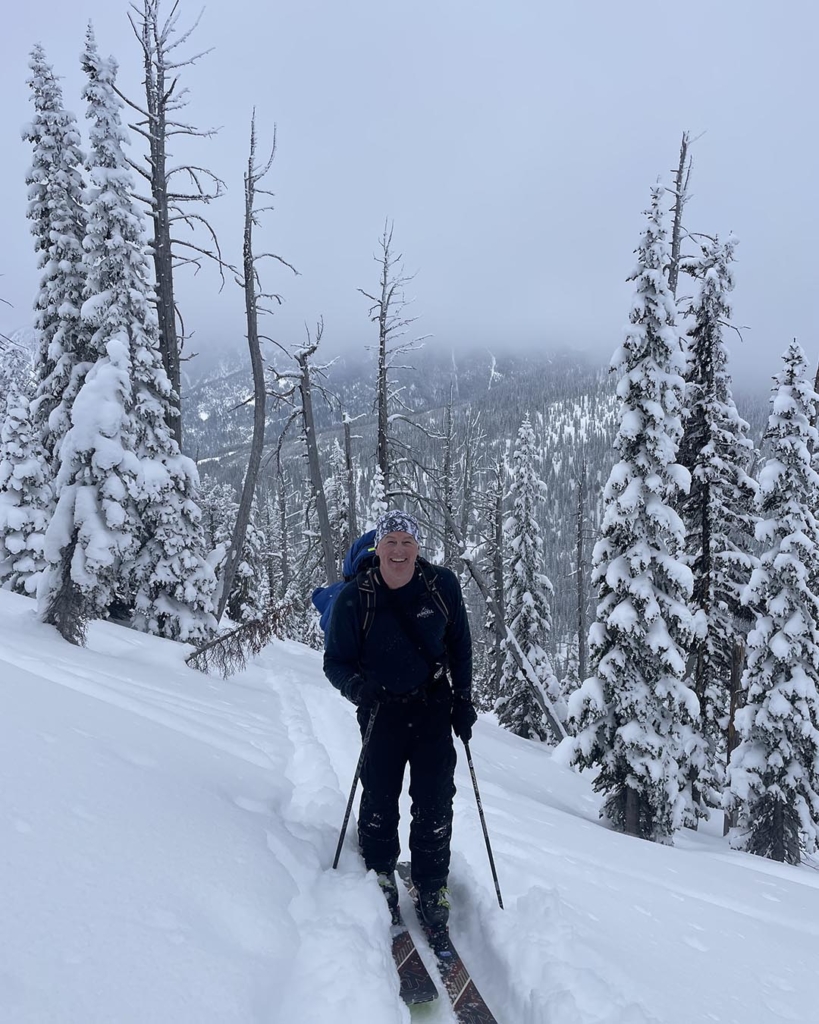
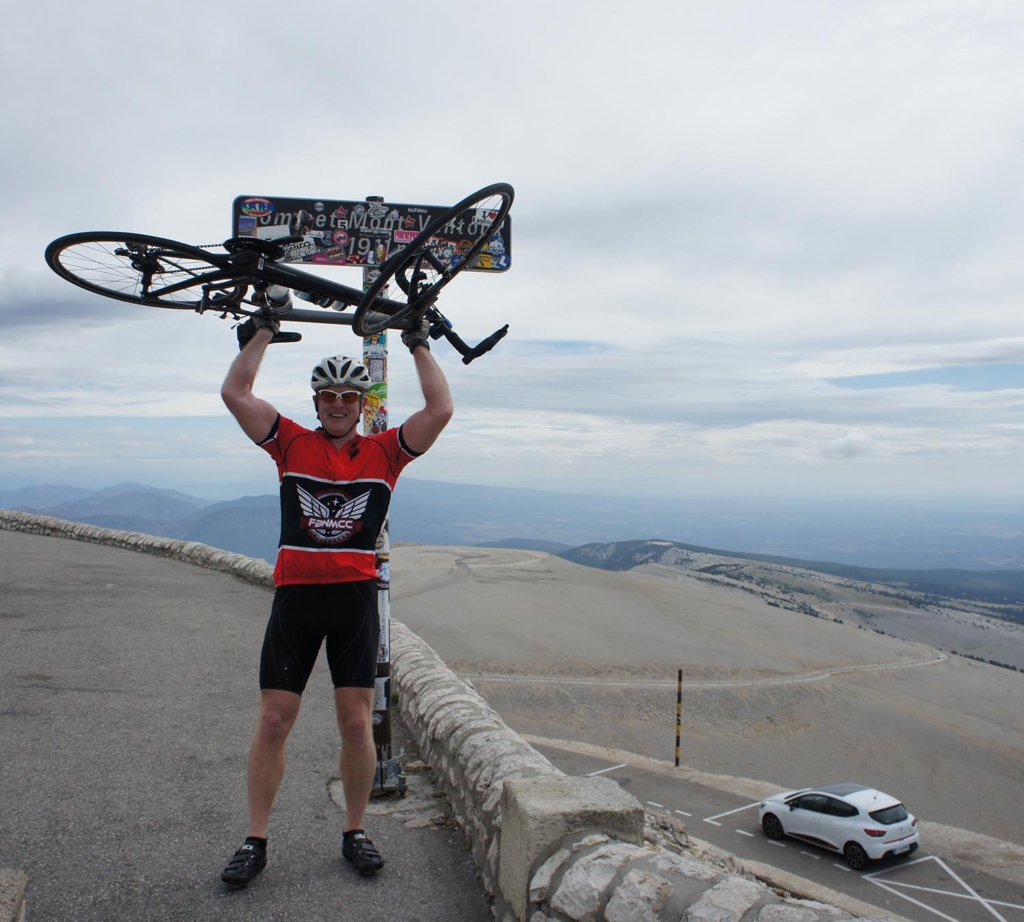
A: Most people who know me think of me as being on my bicycle. I bike all year round, and the residents make fun of me when I show up for work on a snowy day in my biking gear.

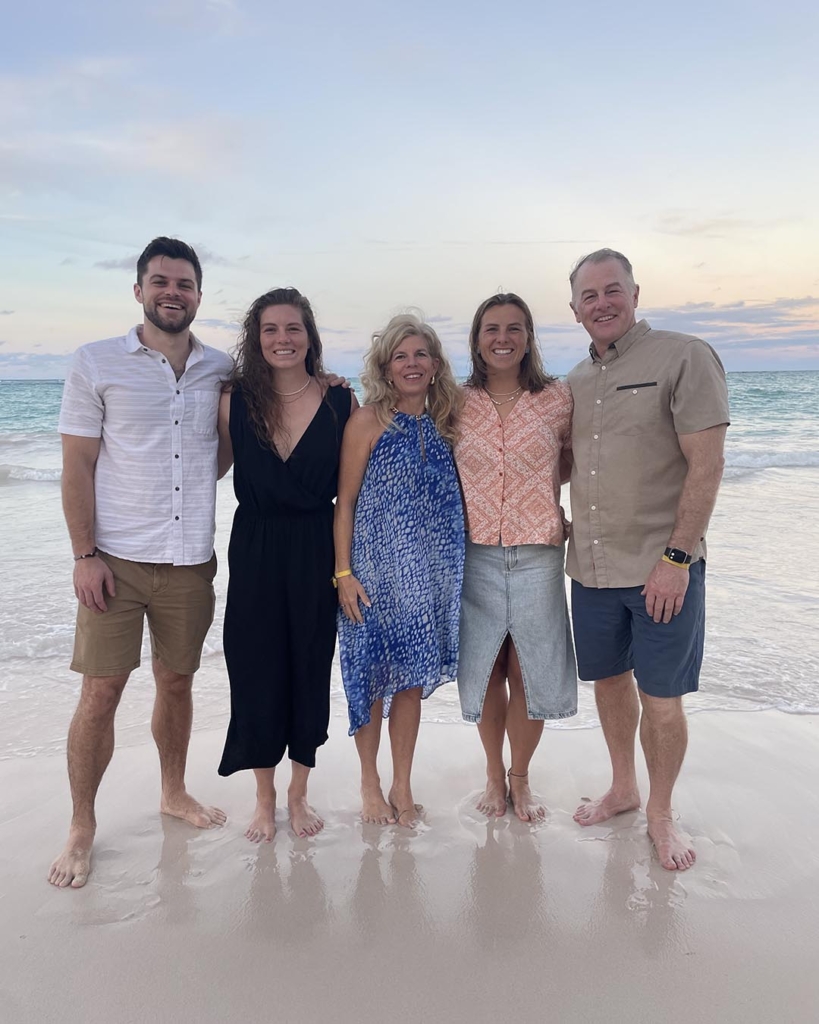
My wife and I also have three children, and we enjoy spending time with them. I play on their volleyball team, where I’m the old guy trying to keep up.

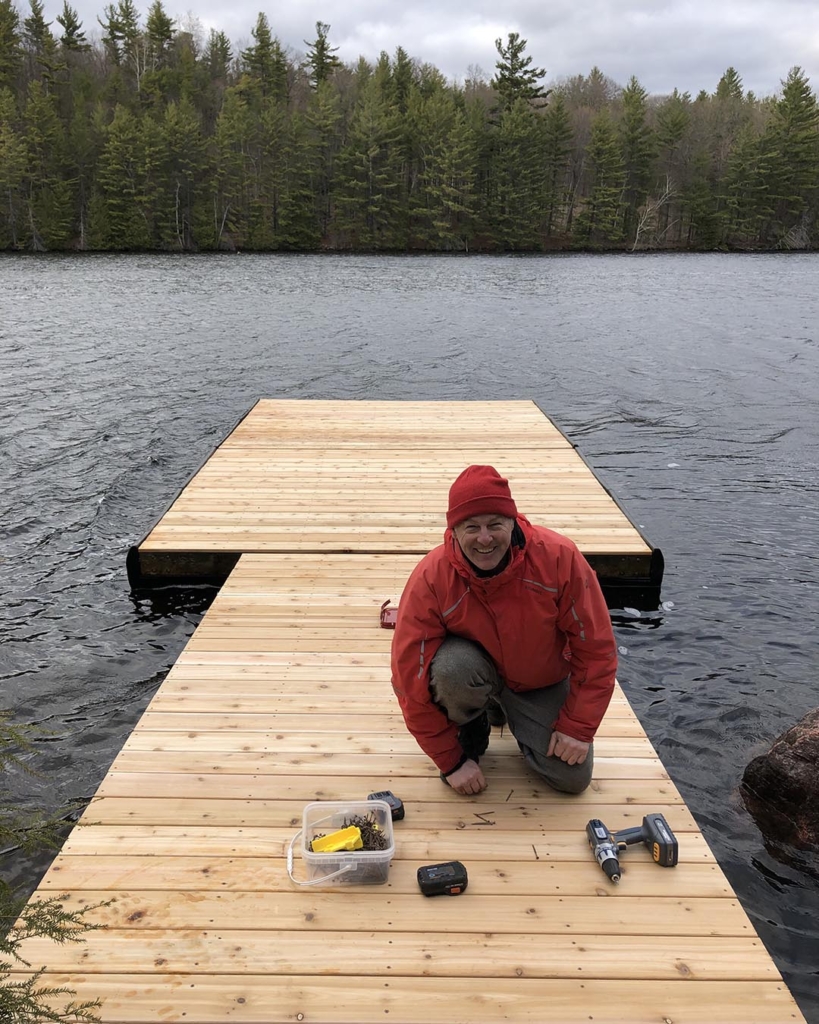
Otherwise, you’ll find me at my cottage where I have all the classic cottage projects on the go: building bunkies, docks, and various other things. It’s just 90 kilometres from my house, so I can bike to my cottage or commute from there in the summer.

Dr. Adam Sachs is a neurosurgeon and researcher at The Ottawa Hospital

Dr. Adam Sachs is no stranger to discipline — whether practicing Wing Chun Kung Fu or performing neurosurgery.

As Director of Neuromodulation and Functional Neurosurgery and Scientist at The Ottawa Hospital, Dr. Sachs is changing the way we think about the brain through his research into brain-computer interfaces.

After studying math and physiology at McGill University for his undergraduate degree, Dr. Sachs saw the potential to bring them together through neuroscience and pursued a medical degree at McMaster University before landing a neurosurgery residency back at home in Ottawa.

Find out how Dr. Sachs thinks brains are like computers, what he loves about The Ottawa Hospital, and why you might find him fighting a co-worker on his break.

Q: Can you tell us a bit about your early years?

A: I was born and raised in Ottawa with three brothers, and we were all into skiing. We started quite young. As a teenager, I got into martial arts, Wing Chun Kung Fu specifically, and I’ve continued that my entire life. 

In school, I was OK, but it took me until university to really get serious about my studies. 

Dr. Sachs on a ski trip

Q: How did you decide to pursue medicine, specifically neuroscience?

A: My dad was a surgeon at The Ottawa Hospital, so I had medicine on my mind at a young age. But in high school, I thought I’d go into math or physics and be a teacher. Then, I realized I could use math as a doctor and try to model medical processes as mathematical problems. I thought the best organ to apply that to would be the brain because the brain is a biological computer and can be hacked into.

I did my master’s in neuroscience and math, modelling a certain aspect of human vision and comparing it to how computer programmers handle computer vision. I described how I could apply this to medicine in my application to medical school, and they obviously bought it!

Q: What exactly does your role as a neurosurgeon at The Ottawa Hospital entail?

A: I practice a type of neurosurgery called functional neurosurgery.

Other forms of surgery might look at structural issues. I’m also a spine surgeon, and if somebody has a broken back, that’s a structural problem. If somebody has a tumour in their brain, that’s a structural problem we can address by removing as much of the tumour as possible. An aneurysm is a structural abnormality in a vessel.

But chronic pain might not have a structural cause. At least, not one we’re able to detect. Parkinson’s is another functional problem. With functional neurosurgery, we deal with issues using electrical manipulation or stimulation.

Q: You divide your time between caring for patients and research, can you describe the research you’re currently working on?

A: We’re currently recruiting for a clinical trial testing a brain-computer interface for people who are living with severe physical disability. We’ll put an implant in their brain, plug it into an HDMI cable, and write algorithms to try and decode their thoughts. Not private, deep thoughts like, memories, but basic thoughts, like wanting to move in a certain direction. We’ll offer something like a coffee, a cell phone, and a cookie, and look to answer basic questions like, “Which does the person want?”

These “cognitive” implants will help us enhance the performance of a robotic arm being controlled by a “motor” implant. We’ve been publishing for decades looking at cognitive signals from the prefrontal cortex using these types of devices, and in this trial, there will be a small number of people we’ll interact with fairly intensively.

Dr. Sachs

Q: When Michelle Kupé came to The Ottawa Hospital for an extremely painful nerve condition, how did you and your team help her?

A: Michelle came to us with trigeminal neuralgia, a condition where it feels like you’re being shocked or stabbed in the face. The pain is severe and can be triggered by simply moving your face, brushing your teeth, taking a shower, or even just being exposed to wind. It’s a well-known condition in medicine, but the severity of Michelle’s case stood out.

Michelle had an artery pressing on her trigeminal nerve, and it had worn down the insulation around the nerve. In the majority of cases, this happens because of the way people are wired — where their nerves happen to fall.

Medication is the first line of treatment, and for many people, it’s sufficient. But surgery was necessary for Michelle, and is for many others. We found that in addition to the artery, there was also a large complex of veins around the nerve, which made it technically demanding. We surgically detached the artery and veins from the nerve, called microvascular decompression, and put a tiny, cigar-shaped piece of Teflon between the artery and the vein to protect the nerve.

She’s had a very durable result, and today, she’s living without nerve pain.

Q: What is the most exciting research happening in your field?

A: AI and deep-learning models are advancing almost every aspect of basic neuroscience. Talking about AI is like talking about statistics — it’s now ubiquitous. It can be used for patient data or to look at biological signals recorded from the body. I record signals from the brain, and we’ve started using deep learning algorithms and more advanced AI algorithms to help us make sense of those signals.

Q: The Ottawa Hospital is currently working towards the creation of a new, state-of-the-art health and research centre to replace our aging Civic Campus. What will this new hospital mean for your patients?

A: Neurosurgery is a highly technical field on the vanguard of new technologies. We use navigation, intraoperative imaging, biplanar fluoroscopy, robot assistance, intraoperative monitoring of neurophysiological function, tumour fluorescence seen on specialized microscopes, and other technologies that require certain infrastructure. They’re setting up the underlying architecture for all of this at the new campus, which will allow us to offer the latest in neurosurgery to our patients.

Q: Why do you choose to work at The Ottawa Hospital?

A: The reason I am excited to work here is because the values of the hospital align with my own: compassionate treatment and working together. I am also able to find the support to do the things I want to do clinically and in the lab. What I’ve found is that everyone working here wants to solve problems together.

Q: How does Kung Fu continue to play a role in your life?

A: I see a big connection between martial arts and neurosurgery. In fact, in my mind, there’s a continuum between Wing Chun and neurosurgery — they’re not completely distinguishable. They both involve body control and awareness, discipline, and they are both rooted in scientific principles and human physiology.

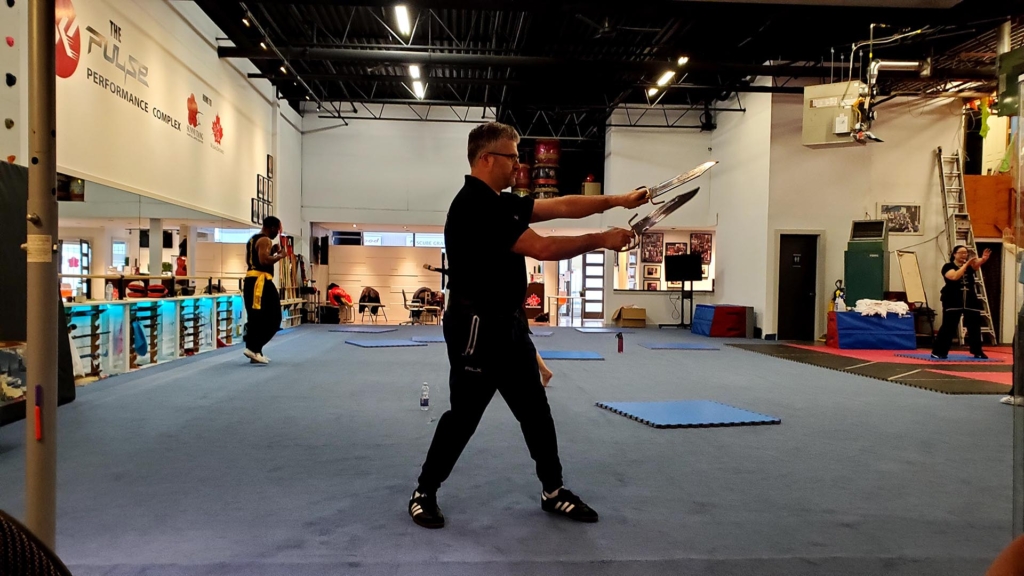
In Wing Chun, we consider ourselves brothers, and I actually have a Kung Fu brother, Doug, who’s a phlebotomist at the hospital. When we wanted to train, we’d reserve a conference room and use a break to practice together. Sometimes people walked in and his fist would be about to connect with my face. It can be a little difficult to explain!

Dr. Sachs wields knives while he practices Kung Fu
Dr. Sachs at his kids bar and bat mitzvah
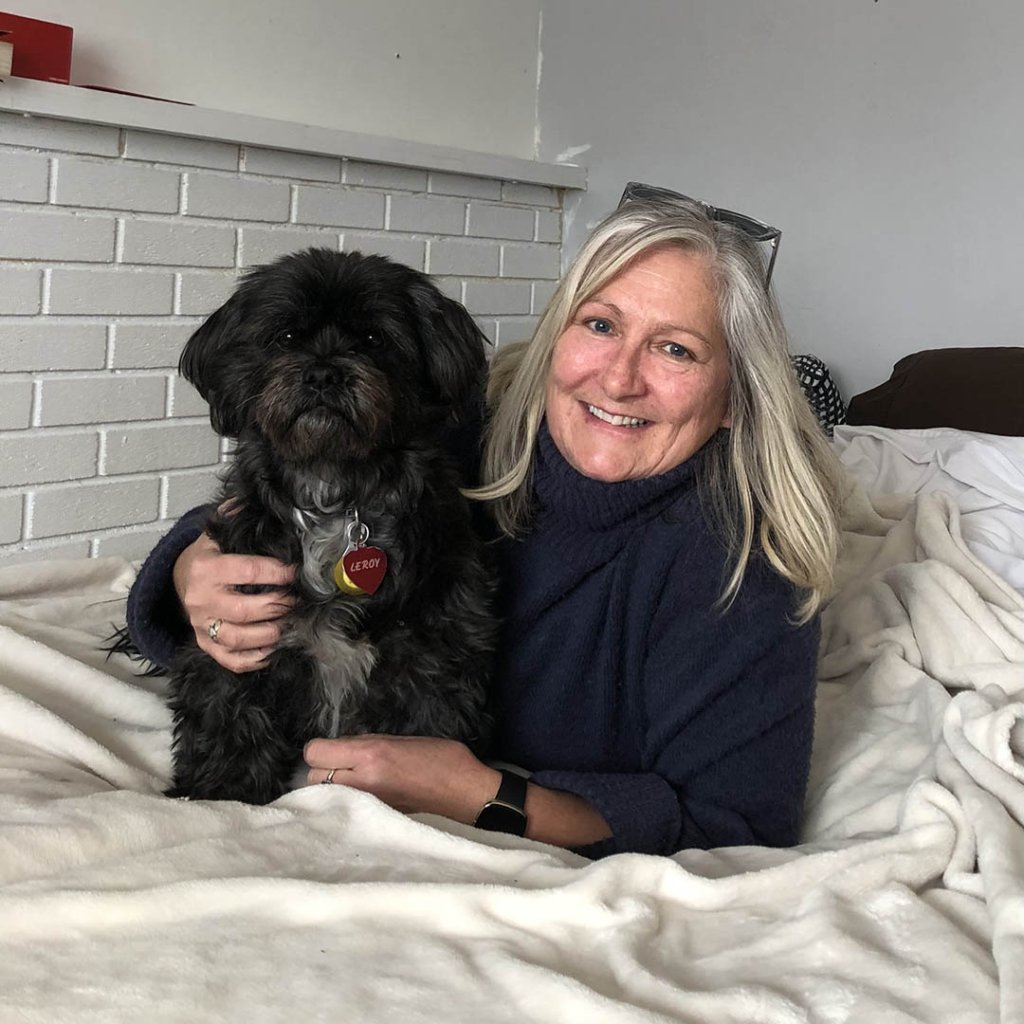
Linda and her dog Leroy

A chance encounter can change a life, or it can change countless lives. When Linda Powers first needed a physiotherapist, it was to help with her knee issues from years of intense cycling. She went on to become a physiotherapist herself, one who teaches people to walk again — among other things — after a stroke.  

Linda is now semi-retired after working out of The Ottawa Hospital for 28 years, with 22 of those years specializing in neurology physiotherapy. She dedicated her career to helping make the connections between mind and body that allow patients to regain independence and motion following life-changing neurological events, like stroke. 

Find out who set Linda on her course in life, why she fell in love with physiotherapy, and how important community support is for the patients she works with. 

Q: Can you tell us a bit about your early years?  

A: I was actually born at the Civic Campus of The Ottawa Hospital. At a young age, my parents moved us to Gatineau, which was interesting because we were an English family in a very French community. In those days, there weren’t many options for women or young girls in sports, but I found my love of exercise through cycling and through dance — not competitive, because we couldn’t afford that, but through cheerleading. 

Linda in kindergarten
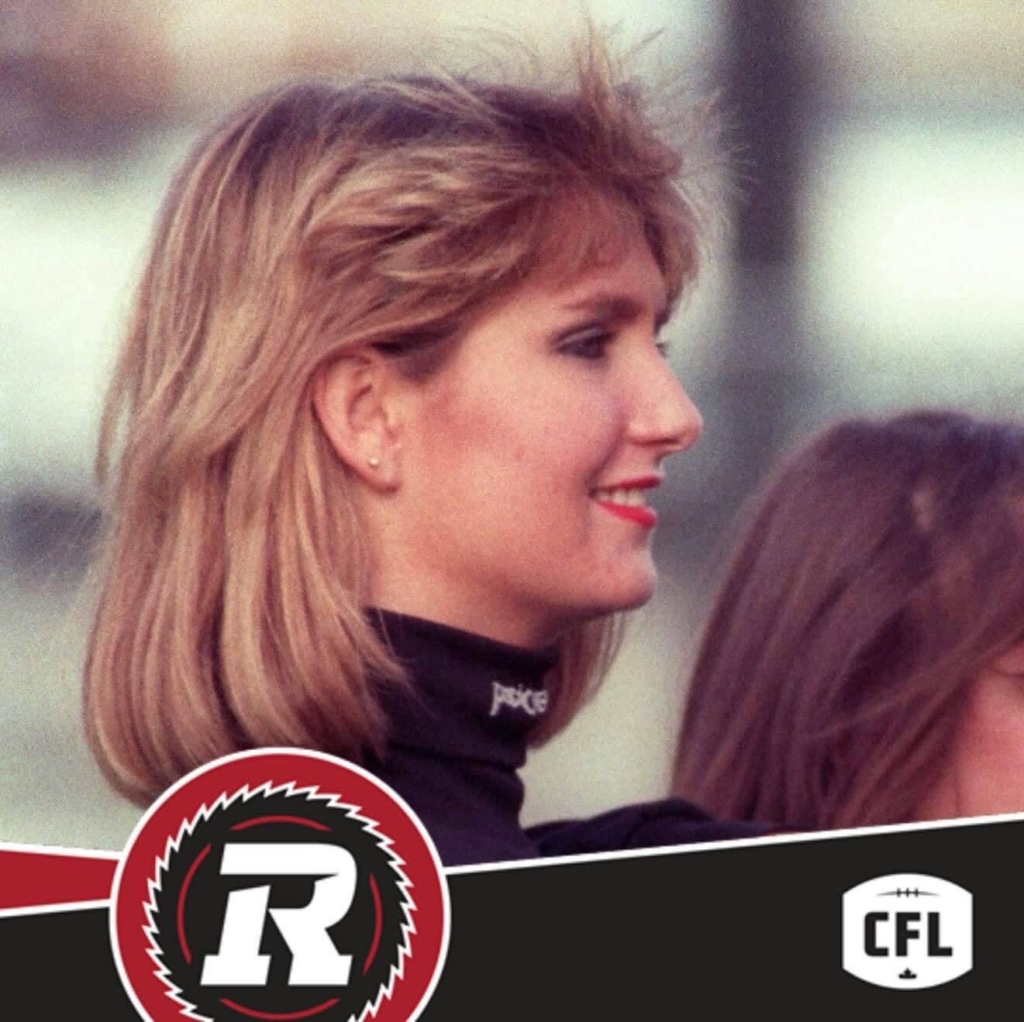
Linda as a Rough Riders cheerleader in 1984

Q: What did you want to be when you grew up? 

A: A model! Or a flight attendant. My father worked for Air Canada, and I remember thinking that was the coolest job ever, to be flying everywhere for free. Later on, I thought I might go into computer science. I didn’t even know physiotherapy was a thing back then! 

Q: When did you realize you wanted to become a physiotherapist? 

A: In elementary school, I didn’t realize I was smart. I remember being in Grade 8 and trying to choose my path for high school, we had to choose secretarial or science. I was afraid of science, and all my friends were choosing secretarial, so I did too. But I had the most incredible guidance counsellor on the planet who called my parents and said, “your daughter is throwing away an intelligent mind. Please convince her to go into science.” Of course, I did. I literally would not be where I am today if it hadn’t been for that one woman — Mary Lou McGuire. 

After studying science in CEGEP, I went into biology at the University of Ottawa, where I specialized in exercise physiology because I loved exercise and because the physiology part is incredible and it still to this day interests me.  

My first experience with physio happened because I had knee problems, which it turns out came from being flat footed and very active! I remember to this day sitting on the table, getting my knee treated, and talking to the physiotherapist about the field. I remember thinking, “Wow, what an amazing job. You’re getting paid for something you love!” 

I’m extremely lucky I came across physiotherapy, because even though work can be busy and stressful, I still have moments every day where I feel lucky to have the ability to give this gift to somebody. 

Q: How did you wind up in neurology physiotherapy? 

A: During my physiotherapy degree, I started looking at all the different fields I could work in. I had three out of six placements in neuro, and I loved helping people regain some mobility. When you graduate, you don’t usually get to immediately work in your field of choice. So, I started in an orthopaedic clinic, but I didn’t stay there long. I quickly moved to a clinic with home care, where I could work with neuro patients and patients with cardiorespiratory issues. After just a year and a half, I got hired at The Ottawa Hospital, where I floated around for a bit working pretty much every unit, before settling in neuro. I spent 22 years in neuro before retiring in 2023, and now I work casual, taking as many shifts as I can on the neurology unit.

Q: How does your unit differ from rehab physio? 

A: In many physio fields, you’re working with one body part. With orthopaedic physiotherapy it might be a finger or a knee, and with cardiorespiratory physiotherapy you’re working with the breathing system. With neuro, you’re dealing with multiple systems, overall mobility, and anything the brain and spinal cord control. We basically become brain experts. For me, it was the most challenging, the most interesting, and the most rewarding.  

“It’s a rush of endorphins, like finishing a race.”

— Linda Powers

The largest diagnosis in neuro is stroke, and with stroke, we’re trying to get the patient to walking as an end point. We start with moving in bed, learning to sit, holding balance, and eventually walking.  

You apply treatments and you see effects, and it’s just incredible. It’s a rush of endorphins, like finishing a race. 

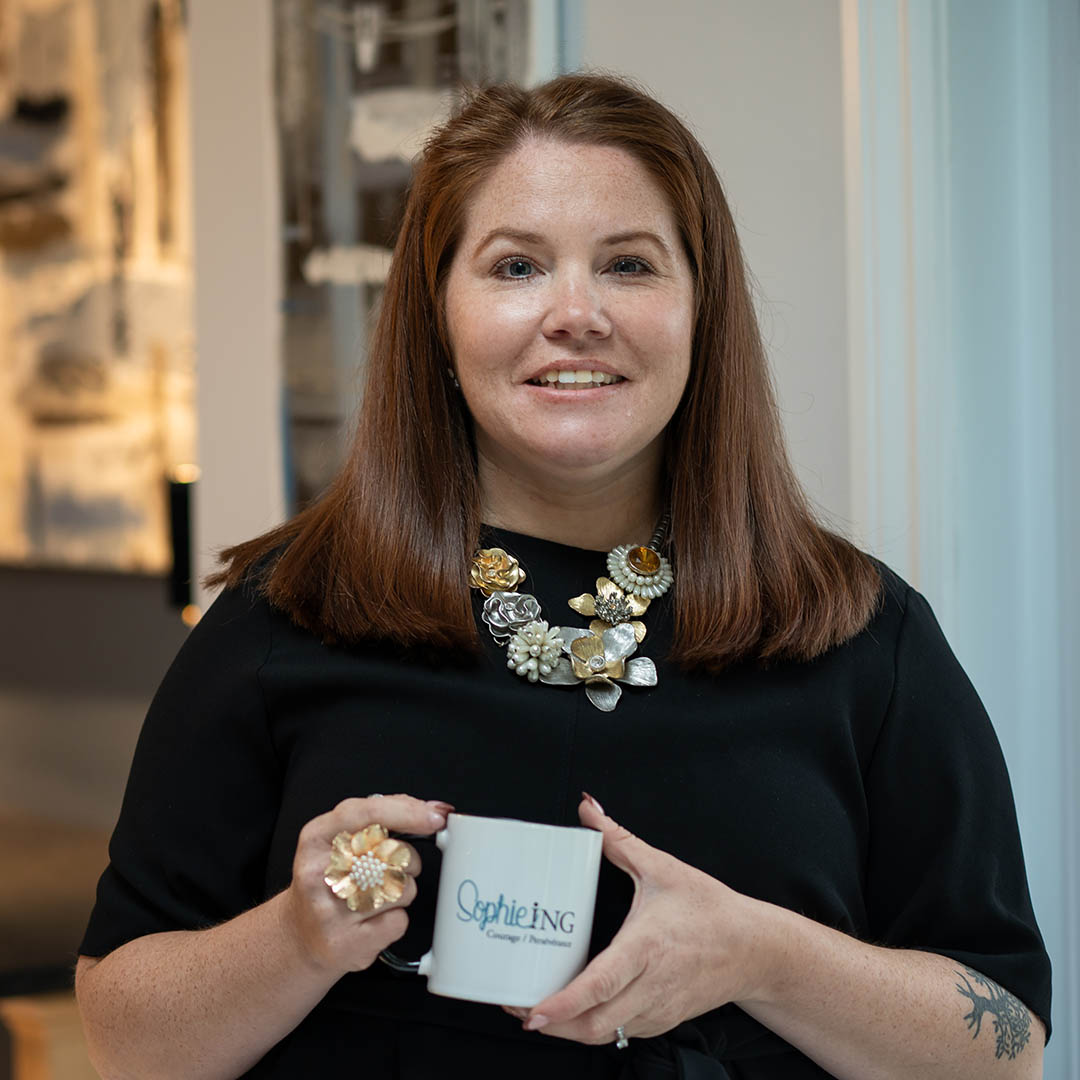
Q: You worked on Sophie Leblond Robert’s case; what made it challenging or unique? 

A: Sophie had a brain stem stroke, where there was a massive clot in her posterior artery, which comes up through the spine. It’s a serious location, because it can shut off a lot of your automatic functions, like heart rate or blood pressure control, or it can break the connection between your brain and body, which means you can wind up with locked-in syndrome. You generally only have your thoughts and the ability to move your eyes.  

Because of the extreme nature of Sophie’s stroke, she had locked-in syndrome.  

“Linda, we had another miracle come in!”

— Linda’s colleagues

Our interventional radiologists removed much of the clot using endovascular therapy (EVT) — a minimally invasive procedure. I’m always in awe of our interventional radiologists and how they save people. I call it the miracle of EVT. Other therapists will joke, “Linda, we had another miracle come in!” 

After her surgery, Sophie just had an incredible recovery. When I first met Sophie, she had barely any movement in her limbs and a hard time moving her eyes. If she moved her eyes a certain way, she’d get very dizzy, and there would be a lot of nausea. With her initial mobility assessment, she couldn’t even hold her balance sitting at the edge of the bed. But fast forward, and she started making gains really quickly. She wound up taking her first steps within just a few months, on October 1! People don’t often recover from locked-in syndrome — Sophie was a true exception

Q: How does community support ultimately help patients like Sophie? 

A: Without community support, we wouldn’t be able to do the research that develops things like EVT, which saved Sophie. At the beginning of my career, EVT wasn’t a thing for stroke. They used it to get clots out of coronary arteries, but using it for strokes was a game changer.  

Community donations also help support research into hyperacute medical care, which has shaped how we identify a patient coming to the ER with a possible stroke. Community support even goes towards the technology our doctors use and can help allied health by improving staffing levels and helping purchase the equipment we use in physio, such as walkers or special chairs for our neurological patients. 

Q: Where would we find you when you’re not at work? 

A: You might find me on my bike or walking my dog, Leroy — he’s a shih tzu, lhasa apso, poodle mix. I get out hiking with him every day. I also have a son, Matthew, who’s 25 and studying engineering at Carleton University.  I raised him alone, so we have a very special bond. I love spending time with him whenever we can carve out time for each other. I’m now an empty nester and partially retired. Give me a bike and a dog park and some good friends, and I’ll be happy. 

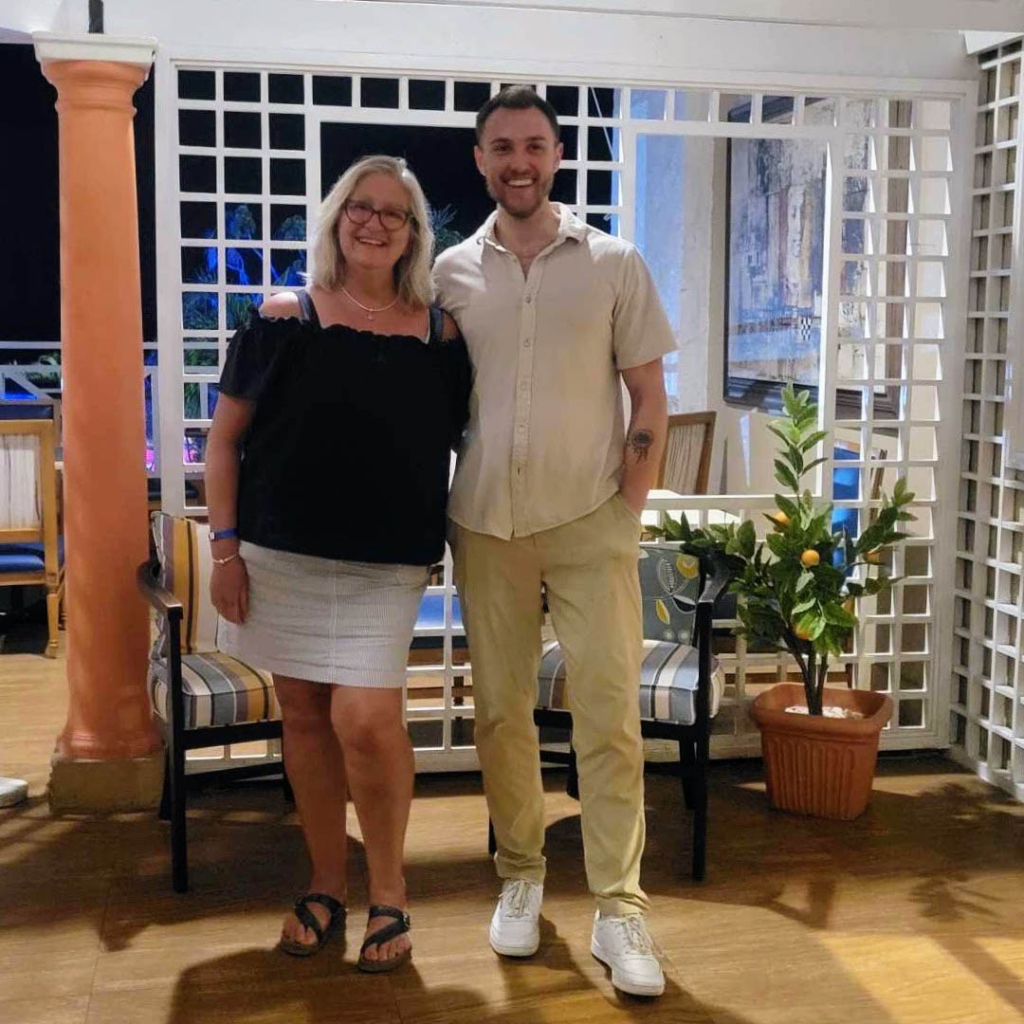
Linda and her son Matthew
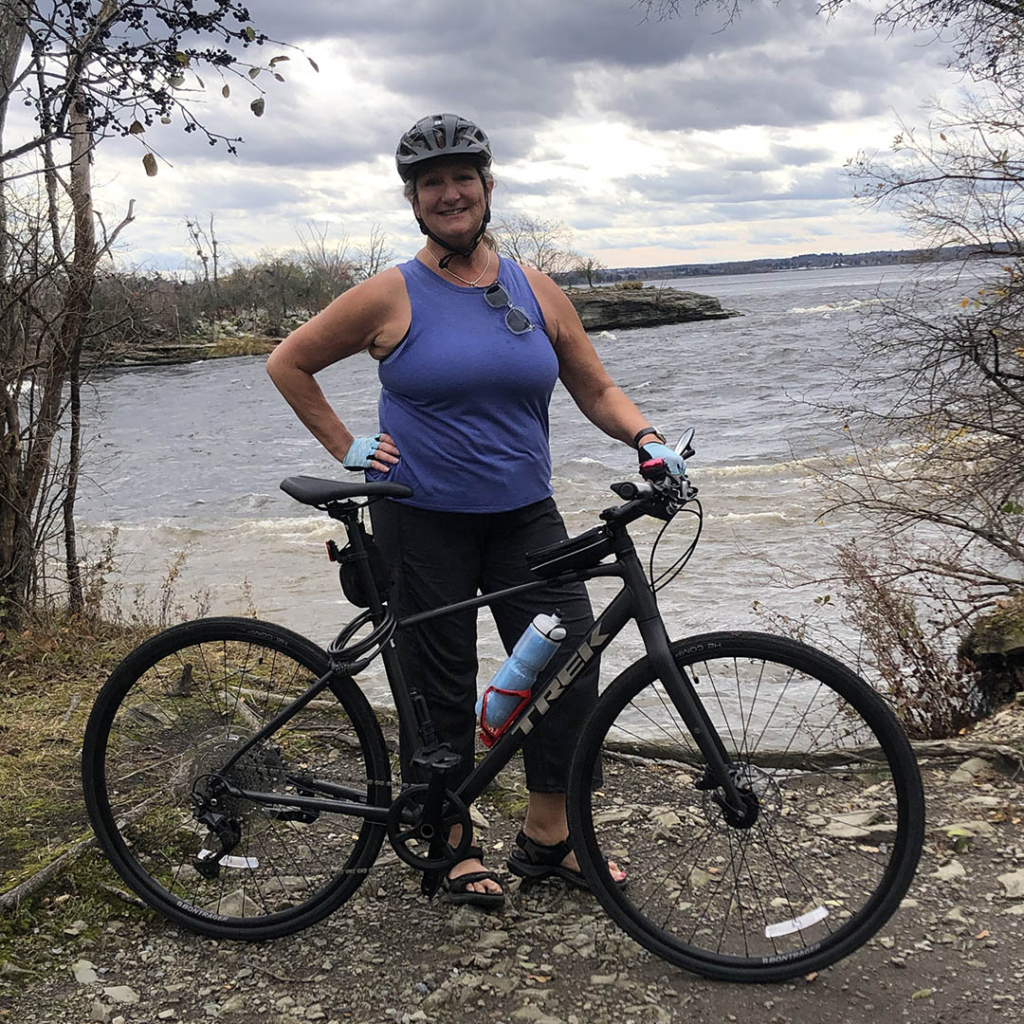
Linda and her bike