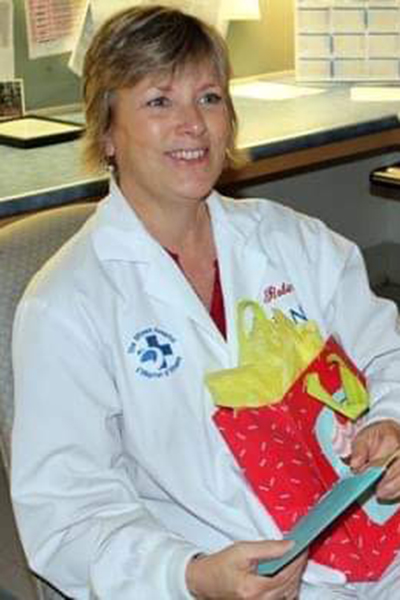
For many people, visits to the hospital are few and far between. But for others, trips to the hospital are much more regular. This is certainly the case for the patients with kidney disease that nurse Robin Laird works with at The Ottawa Hospital’s Riverside Campus Nephrology Clinic. Having worked in the unit for more than 30 years, Robin is a familiar face for the patients who have to come in up to three times a week for dialysis, and she plays a critical role not only in patients physical health, but also in their emotional health.

Whether she’s caring for someone who’s been receiving treatment for decades or someone who’s coming in for the first time after a sudden illness, Robin’s compassion drives her care every day.

Keep reading to learn more about why Robin chose to work in nephrology and some unusual facts about kidney disease.

Q: Can you tell us a little bit about your childhood and early years?

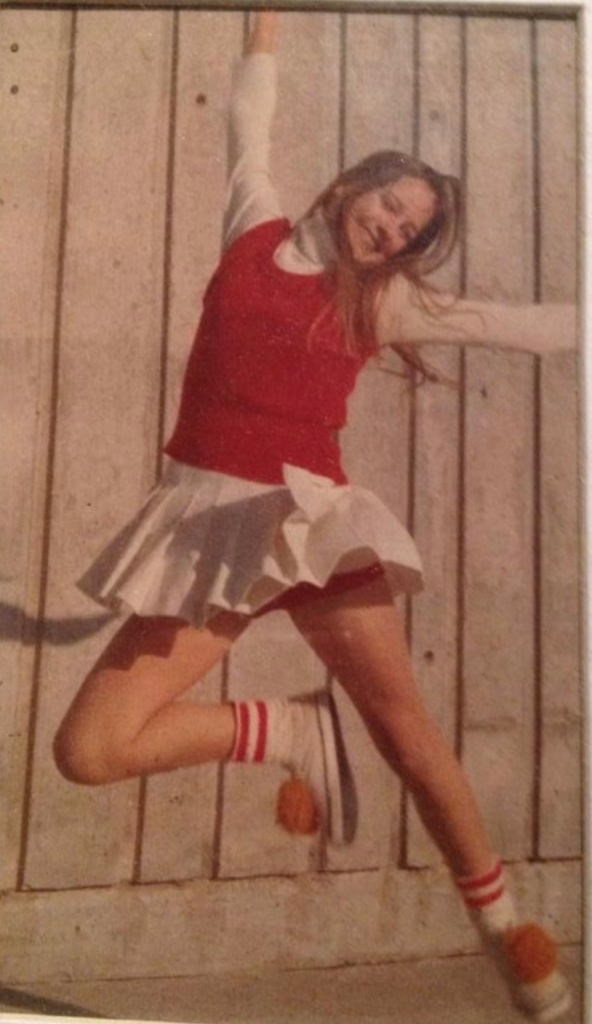
A: I grew up in Belleville and I was a teenager of the ’70s — I was a cheerleader, on student council, and I loved high school. I married my high school boyfriend, and we’re still married. In school, I loved English and history. The sciences were OK, but it depended on who the teacher was. I did a lot of babysitting; I loved little kids.
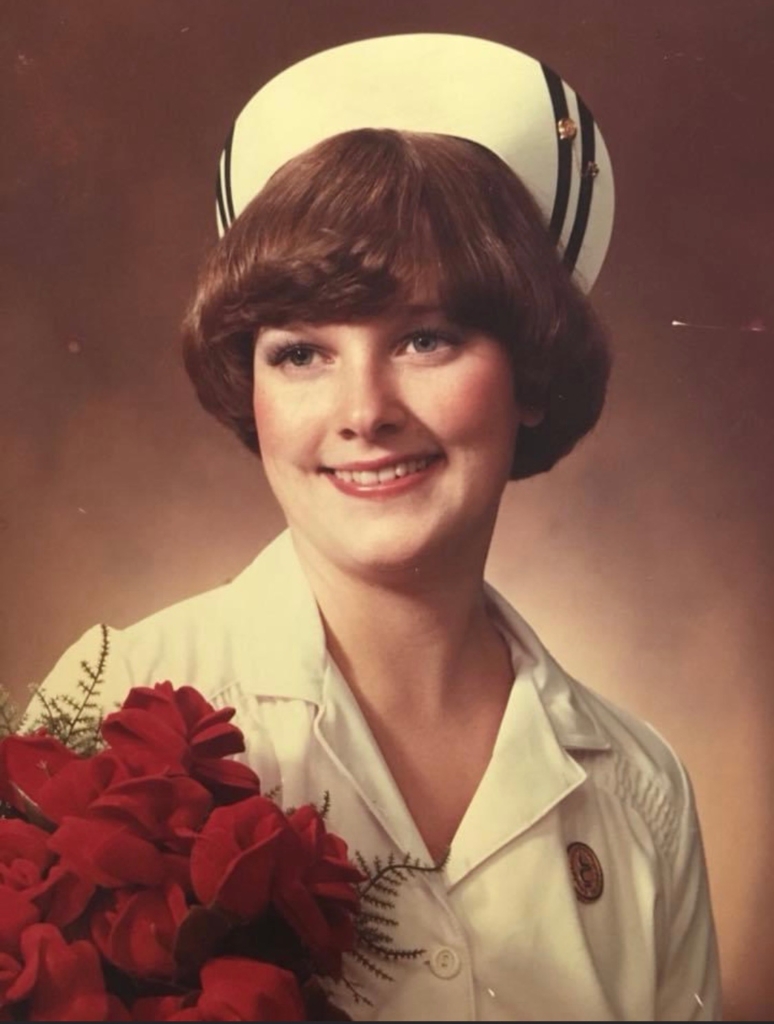
Q: When did you decide to become a nurse — and specifically in nephrology?

A: There really wasn’t anything else I was ever interested in. It’s funny, when I went into nursing, I thought I would like to be in the delivery room, but I soon found it wasn’t for me. I worked for the Trenton Hospital for five years on the medical floor then moved to Ottawa in 1986 and put in an application at the Civic. I got a phone call shortly after asking if I was interested in nephrology. In college, nephrology hadn’t come up that much, but once I got into it, it was the perfect fit — I’ve never looked back. I think I’m one of the longest working nephrology nurses in the program at The Ottawa Hospital now!

Back working on the medical floor, there was always a sense that you could never quite fit everything into a day. But working in dialysis, you do your duty, you make your patient feel better, and they leave at the end of the day. You get a sense that you’ve accomplished your day.

Q: What is something unusual or surprising about nephrology and dialysis?

A: The most surprising thing is that some people with kidney disease look perfectly healthy — you’d never know they’re sick, yet they’re at risk of death if they don’t have dialysis. Another thing people might not understand is that once you’ve started dialysis, you can’t just opt out of it.

Another surprising thing is that when your kidneys don’t work, you don’t make urine — you don’t pee. Some have very residual renal function and have a little urine output, but many don’t. Any fluid just stays in your blood. We have to do a calculation to remove the fluid for them during dialysis.

I have to teach my patients that while others might think carrying around a great big water bottle is healthy, for these patients, it’s not – they have to stop that.

So when patients come in with their extra-large double doubles — which can be up to 500 mL — I just say, “We’re going to have to go down to a small, extra small, because the fluid restriction is only one litre a day!”

Q: You were one of the nurses in Katie Skidmore’s case. What made that case so unique?

A: We have two kinds of patients that come in: those who have had kidney issues for years and eventually decide to go on dialysis and those who have acute kidney failure and have no time to prepare.
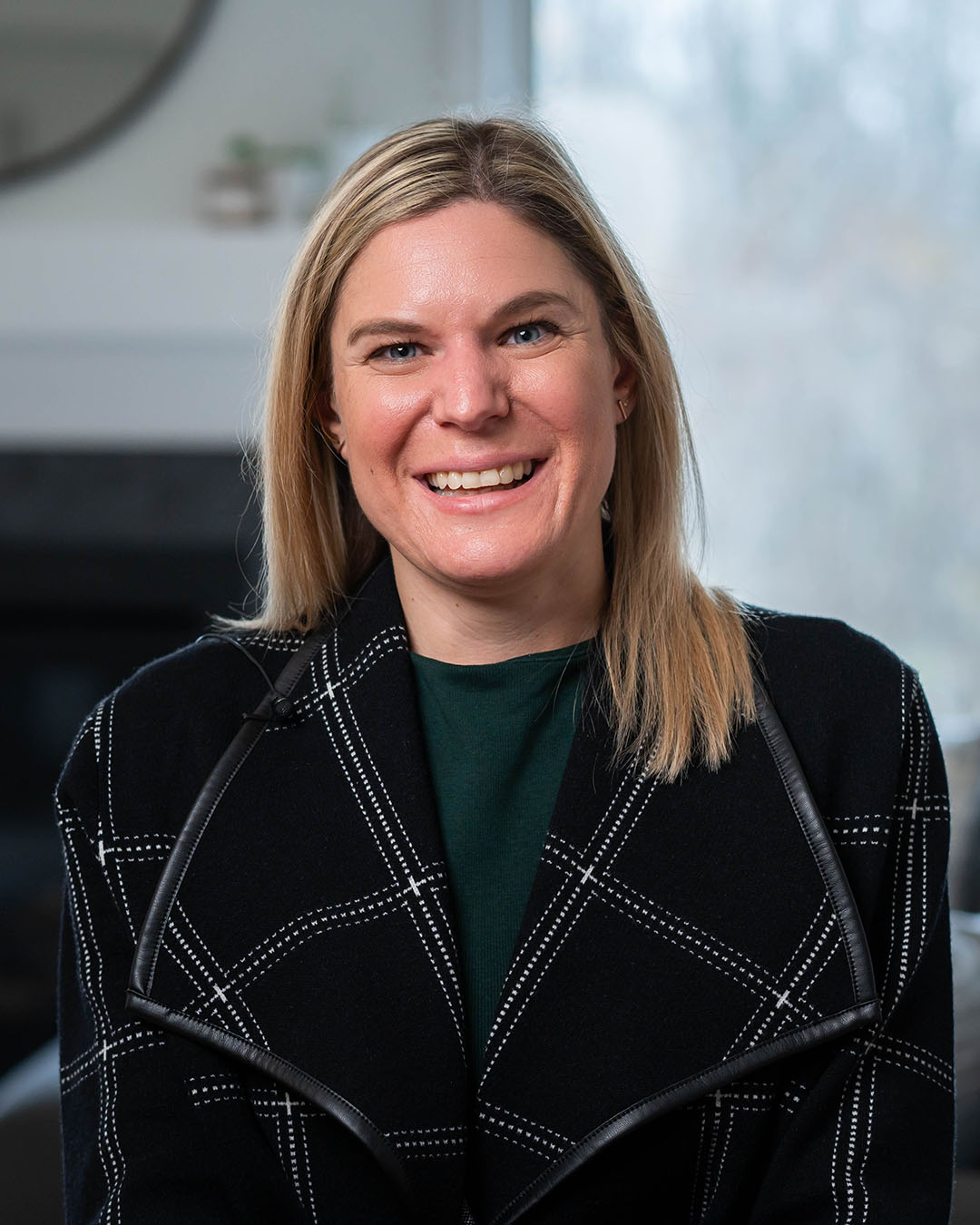
Katie came to us with this sudden, life-altering diagnosis of anti-glomerular basement membrane (anti-GBM) disease in her 30s. She was a young woman who’s living a big, healthy life, and suddenly she’s given this blow. At this stage, patients are often in a stage of grief, so it was important to help her with the physical and medical aspects, but also emotionally.

Katie is also so smart that nothing escaped her. She would watch things like her blood values: when her antibodies went down, it meant she was recovering, but when that didn’t happen, she would crash. She’s unique in seeking out her results and in being proactive.

I’m so proud of Katie and how far she’s come. I saw her in the unit the other day, and she was on the phone, laughing and talking. It’s such a leap for her.

Q: If someone has just been diagnosed with kidney disease, what advice would you give them?

A: I think the biggest thing is that kidney disease doesn’t necessarily mean the end of your life — it’s just a chapter; don’t jump to the end of the book. And, you’re not alone. The program we have at The Ottawa Hospital is amazing in the support we have for patients. I’ve seen it over the years since 1986, and the whole thing is exceptional. You have choices, and you can decide your journey.

Q: What keeps you motivated during stressful times as a nurse at The Ottawa Hospital?

A: Two things: colleague support and realizing you get a break from this.

Nursing is a stressful job, but we come together as a team. The support we get from each other in the lunchroom cannot be underestimated. My best friends are all from the nephrology program, we call each other sisters, and many of us have been working together over 30 years.

No matter how stressful it is for me, I also have holidays. My patients never get a holiday. If they’re lucky, they can go somewhere, but they still have to do their dialysis.
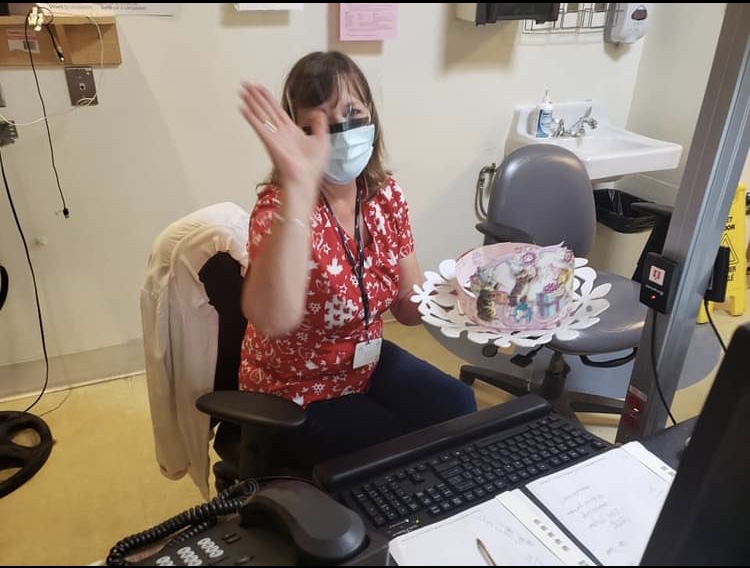
Q: What would we find you doing when you aren’t at the hospital?

A: I live in the country with my husband and two adult daughters and a cat. Before COVID, I was a big-time party planner and did all the retirement planning for the nurses. I love home décor — thrifting, flower arranging. I’m also in a book club with retired nephrology staff, and there are 13 of us. We’re very strict about it and put out questions. We kept it going through COVID and just started in-person ones again in the summertime.
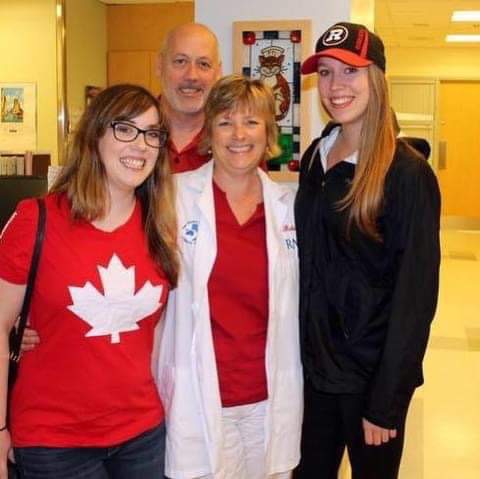

Robin with her husband and two daughters.

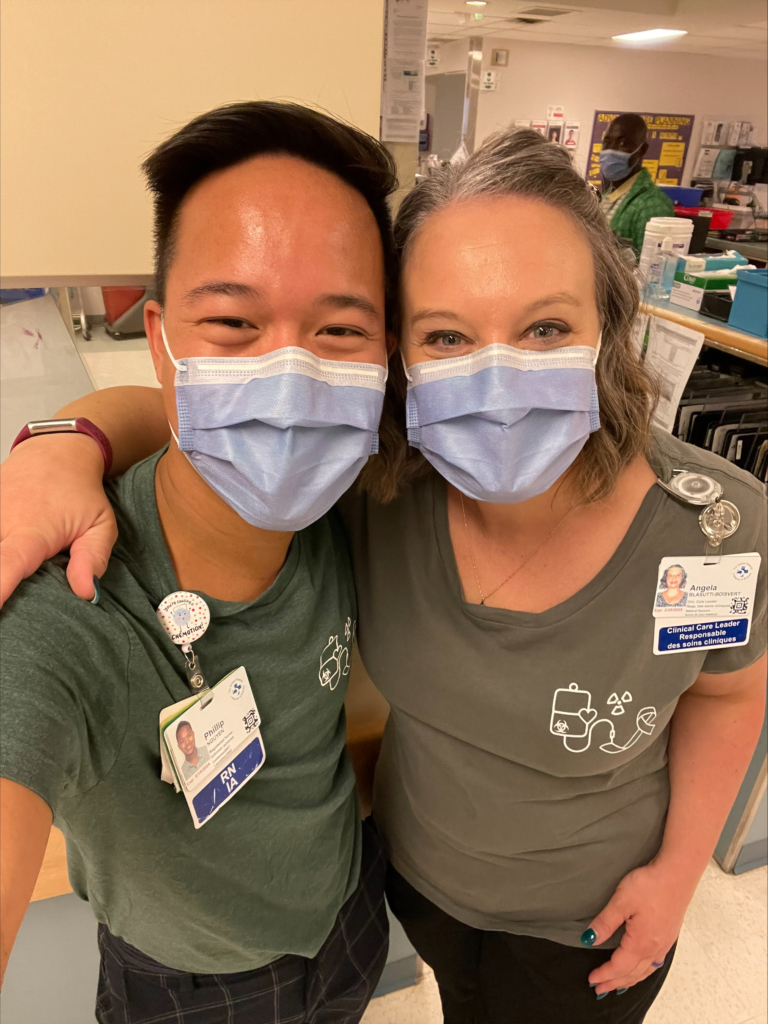
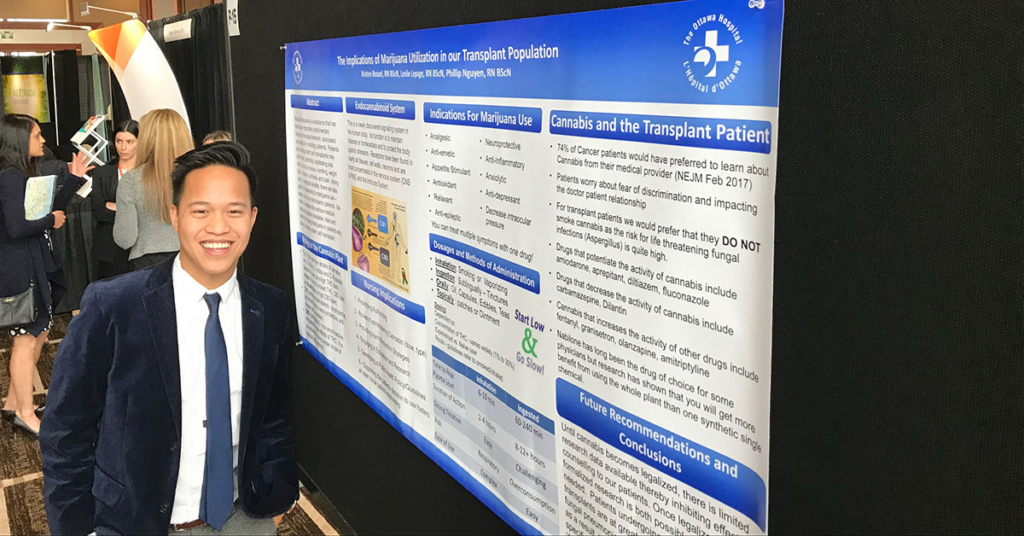
If you see someone skipping or moonwalking down the halls of The Ottawa Hospital’s Transplant and Cellular Therapy Unit, chances are you’ve found Phil Nguyen, the ward’s most musically inclined nurse. A nurse-by-day, hip-hop-dancer-by … well, pretty much all the time, Phil has spent almost 10 years working with cancer patients at The Ottawa Hospital.

Never one to stand still, Phil also teaches at uOttawa, is president of the local chapter of the Canadian Association of Nurses in Oncology (CANO), and volunteers with Culture Shock, a not-for-profit, hip-hop dance organization that works with at-risk youth.

Read on to learn what motivated Phil to drop his original university plans in favour of nursing, and where the self-proclaimed foodie recommends grabbing a bite to eat in town.

Q: When did you decide to become a nurse?

A: During high school, I volunteered at the General Campus coffee shop. Sitting at a cash register, pouring coffee — that’s how things started. Through my exposure to healthcare professionals, I realized I had an interest in healthcare. In Grade 12, I had to do a co-op placement, and I said I was interested in medicine and talking to people. They placed me in the Cancer Program chemotherapy unit shadowing various nurses, volunteers, doctors etc. I was inspired by the fact that despite how challenging it was, the staff always treated patients with such kindness while incorporating up-and-coming medicine.

I had already applied to Carleton for political science and sociology, but after the co-op experience, I thought, “You know what? I’m just going to pursue nursing. I think this is it for me.”

“Yes, this is where I need to be. This is my home.”

— Phil Nguyen

Q: What drew you to oncology specifically?

A: During nursing school, I forgot about oncology, because I was just so fascinated by the other disciplines within healthcare and nursing. It wasn’t until my final year, when I was assigned to do a placement in medical oncology, that I realized, “Yes, this is where I need to be. This is my home.”

Although I was always passionate about nursing, working alongside patients with cancer through their various stages and trajectories of their illness lit a fire in me. After graduating, I applied to work as a registered nurse in medical oncology, and that’s where my career started.

I currently work in the Transplant and Cellular Therapy Unit.

Q: What is it like being an oncology nurse today?

A: I think of our patients’ journeys not as a sprint, but a marathon. It’s a journey I get to see from the beginning of diagnosis to therapies and through recovery or, unfortunately for some, end of life. It’s very full circle.

It’s also providing care holistically and thinking outside the box. Nursing in oncology means providing care not just for the patient’s physical wellbeing, but also for their mental, psychological, and emotional wellness. We value quality of life and simply can’t put a cookie-cutter template on their care. It’s the little things that end up making a big difference.

Another great thing about being a clinical bedside nurse is having my finger on the pulse of what’s new and innovative. Something new for us is providing stem cell transplants to patients with multiple sclerosis and CAR T-cell therapy — which I would describe as an immune therapy where we use a patient’s own cells to try and attack the cancer cells. It’s providing hope for our patients.

Q: As a nurse, why do you work at The Ottawa Hospital?

A: We have high standards and are constantly looking at various ways to be innovative and improve healthcare through collaboration. As a whole, our organization promotes personal and professional development. We are open to new ideas and are willing to challenge the status quo. It’s not, “This is the way it is and the way it has to be” — it’s more, “Let’s talk about this, let’s explore this realm.”

The Ottawa Hospital is also such a multicultural organization. We have a diverse and supportive culture that provides equal opportunity to all staff. I appreciate that we celebrate our differences and learn from one another.

But most importantly, we promote family-centred care. We encourage families to participate and be involved in the care of their loved ones. We recognize that when patients are in shock after being informed of their cancer diagnosis, they may not retain all that was mentioned to them. Having a second set of ears to listen, take notes down, and be part of the patient journey is important.

Q: What makes you excited about the future of healthcare?

A: I wear multiple hats, and one of them is teaching as a clinical professor and simulation instructor for uOttawa. My role is to support and mentor nursing students during their placements at The Ottawa Hospital, in hopes that they will obtain the knowledge to contribute to our society. Our next generation of healthcare professionals are thirsty for knowledge and eager to facilitate change. I look forward to seeing what they can offer!

Q: Besides nursing, what are you most passionate about?

A: I’m known as a foodie, so any time someone’s looking for where to go for dates or whatever, they come to me. My two general recommendations for Ottawa would be pho — it’s great, it’s super cheap, it’s filling, and it’s healthy — and, if you like a good kick and don’t mind eating with your hands, I would totally say go for shawarma — it’s a classic in Ottawa.

My specific favourites are Supply and Demand — they have this wicked squid ink pasta you just cannot pass up — and Mati, for Mediterranean.

The other thing I love is music and dance. I first started dancing hip hop when I was 16. Before that, I was very introverted and into gaming, but hip hop was my way of segueing into becoming more of an extrovert.

Not everyone loves golf or football, but what everybody can relate to is music, it’s all around us. So, I’ll find myself playing a little Lionel Richie or a little Lady Gaga for patients, depending on who it is.

More often than not, I find myself galloping, skipping, or strutting down the hallways. Sometimes it’ll perk up someone’s day, and it just gets people out of their rooms!

Navigating complex care with compassion

Meet Mary Farnand, Nurse Navigator at The Ottawa Hospital

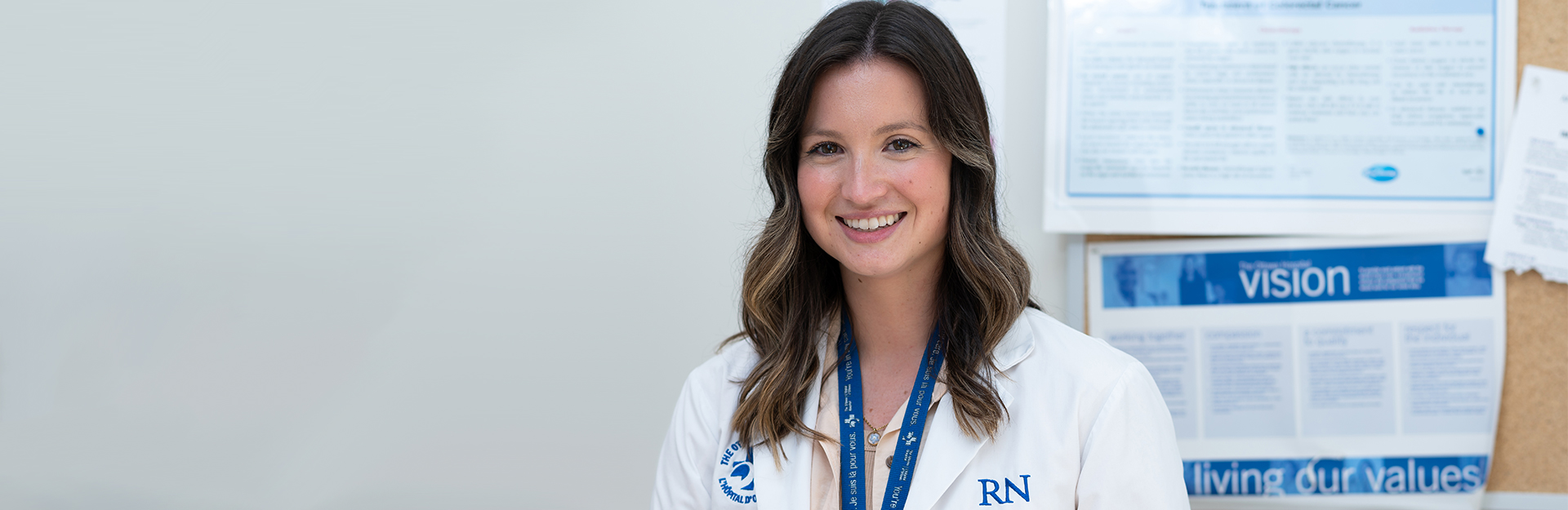
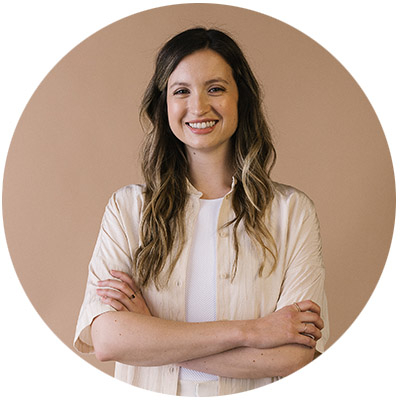
Born into a family of nurses, it might seem like a career in nursing was the natural choice for Mary Farnand. But it took her a little while to find her way there. Today, Mary is a nurse navigator/ specialist at The Ottawa Hospital and can’t picture doing anything else. She spends her days working with patients, advocating for efficient and high-quality care. She smooths patients’ journeys from assessment to diagnosis and helps them navigate through difficulties in treatment, symptoms, their transition to survivorship, and supportive care.

Keep reading to learn the moment Mary decided to be a nurse — and what her hardest, and most rewarding, moments are.

Born into a family of nurses, it might seem like a career in nursing was the natural choice for Mary Farnand. But it took her a little while to find her way there. Today, Mary is a nurse navigator/ specialist at The Ottawa Hospital and can’t picture doing anything else. She spends her days working with patients, advocating for efficient and high-quality care. She smooths patients’ journeys from assessment to diagnosis and helps them navigate through difficulties in treatment, symptoms, their transition to survivorship, and supportive care.

Keep reading to learn the moment Mary decided to be a nurse — and what her hardest, and most rewarding, moments are.

Q: How did you wind up becoming a nurse?

A: It’s a little bit of a winding way. I think I was always headed towards nursing, even if I didn’t realize it.

I’m actually the youngest of five kids, and I come from a family of nurses; my mom is a nurse, my godmother is a nurse, my two older sisters are both nurses, and my sister-in-law is a nurse. I tell people nursing is the family business.

I sort of ran from it for a little while, though. At one point in my childhood, I wanted to be a fashion designer. I spent lots of time drawing and sewing.

Then, when I got to university, it was a really hard transition. One of the most overwhelming things was realizing there are so many things I could do. By my second year of university, I was thinking about a new thing I wanted to pursue every two weeks. I thought about law and journalism, and then I wanted to be a hairdresser. I was really confused about it all.

I finally got some really good advice from someone who said, “Listen, try not to think about what you want to do, think about what you’re naturally good at.”

I realized I’m a lot like my mom and sisters. I wanted to use both my intelligence and my desire to care for people in a tangible way. When I decided to go into nursing, I just slowly realized it was something I could do really well. And now, I love nursing.

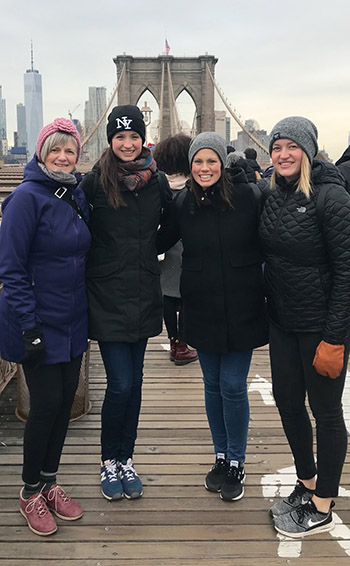
Mary with her mom and sisters.

Q: How were your first few years of nursing?

A: I’ve been a nurse for almost six years, and I started my career in internal medicine. I was really lucky because my sister was working when I graduated, so I got a job on her floor, where we worked together for a couple years at the General Campus. It was so awesome for me as a new grad because I could go to her with what I thought were my stupid questions. I felt super supported.

Internal medicine was an amazing place to start because there’s so much you experience — every specialty, every area of care. It was a massive learning curve, but I started to realize what areas I enjoyed and what types of patients I liked working with. I had a real love for palliative care, for being a support for patients and their families during a really hard time in their life.

I then found my way into a position in the Ages Cancer Assessment Clinic and have just loved it.

Q: You now work as a nurse navigator, what does that mean?

A: I didn’t know a lot about the nurse navigator role before working in the Ages Cancer Assessment Clinic. The role is fairly new within the nursing world, starting in the 2000s. The nurse navigator position came out of a need for a specialized role where patients could be helped through a complicated care process.

It allows patients to have a personalized approach to their care and gives them as much information and education as possible so they can make informed decisions about what comes next for their treatment. We act as a support for them and for their families, while also being a part of the care team and facilitating multidisciplinary care.

When patient Haydn Bechthold was diagnosed with stage 3C rectal cancer at only 22 years old, Mary was his nurse navigator. She helped him through the cancer program, offering information, emotional support, and advocacy.

Q: What is most exciting about your job right now?

I’m now the Clinical Nurse Specialist for a new program within the Cancer Assessment Clinic for patients with cancers that have spread to the lining of the abdomen (the peritoneum). For the first time in Ottawa we’re providing HIPEC (heated intraperitoneal chemo) to patients. Previously, we had to send patients to Toronto or as far as Calgary to have access to this therapy, so this is going to make a big difference for patients and their families. Dr. Brittany Dingley is the lead for this new program and I’m so excited to be part of it.

Q: What is the hardest part of your job?

A: I definitely don’t want to sugar coat it; there are a lot of hard things. But I think probably the biggest challenge is what sticks with you and what comes home with you, being present for some really difficult moments in people’s lives. This is especially true working on the diagnostic side of things, with patients who are coming in and learning really awful diagnoses sometimes. But, that’s also one of the most important parts of my job — and one of the most fulfilling. It’s a privilege to be there for people during those incredibly hard experiences. It can just be heavy.

Q: What does working at The Ottawa Hospital mean to you?

A: I know from my experience at The Ottawa Hospital, and in general, the culture of teamwork is really amazing. It’s so important to recognize our multidisciplinary team and the support we try to give each other while working in as tough an environment as healthcare is.

It’s a privilege to be there for people during those incredibly hard experiences.

Right now, especially working in cancer care, there is also so much research and advancement in care happening. I feel lucky to be at The Ottawa Hospital because it’s such a hub for research and learning. Even just within my last two years working in the Ages Cancer Assessment Clinic, and one of those years working within colorectal cancer specifically, there have been changes to the types of treatment plans we offer for patients. It’s amazing.

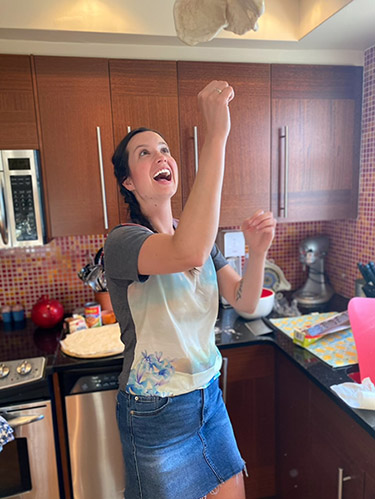
Mary making pizza dough.

Q: What would we find you doing when you aren’t at the hospital? 

A: I am really lucky. I get to spend lots of time with my friends and family; I have 10 nieces and nephews, who live close by. I love to host and I love to cook. One recipe I really love is for a Mexican chicken soup; it’s amazing comfort food, and you get to put on your own toppings. I love the summertime and being active and gardening outside, but I’m trying to commit myself to do more winter sports so I can better enjoy winter.

Meet Mary Farnand in episode 70 of Pulse Podcast.

Listen Now:

Q: How did you wind up becoming a nurse?

A: It’s a little bit of a winding way. I think I was always headed towards nursing, even if I didn’t realize it.

I’m actually the youngest of five kids, and I come from a family of nurses; my mom is a nurse, my godmother is a nurse, my two older sisters are both nurses, and my sister-in-law is a nurse. I tell people nursing is the family business.

I sort of ran from it for a little while, though. At one point in my childhood, I wanted to be a fashion designer. I spent lots of time drawing and sewing.

Then, when I got to university, it was a really hard transition. One of the most overwhelming things was realizing there are so many things I could do. By my second year of university, I was thinking about a new thing I wanted to pursue every two weeks. I thought about law and journalism, and then I wanted to be a hairdresser. I was really confused about it all.

I finally got some really good advice from someone who said, “Listen, try not to think about what you want to do, think about what you’re naturally good at.”

I realized I’m a lot like my mom and sisters. I wanted to use both my intelligence and my desire to care for people in a tangible way. When I decided to go into nursing, I just slowly realized it was something I could do really well. And now, I love nursing.

Mary with her mom and sisters.

Q: How were your first few years of nursing?

A: I’ve been a nurse for almost six years, and I started my career in internal medicine. I was really lucky because my sister was working when I graduated, so I got a job on her floor, where we worked together for a couple years at the General Campus. It was so awesome for me as a new grad because I could go to her with what I thought were my stupid questions. I felt super supported.

Internal medicine was an amazing place to start because there’s so much you experience — every specialty, every area of care. It was a massive learning curve, but I started to realize what areas I enjoyed and what types of patients I liked working with. I had a real love for palliative care, for being a support for patients and their families during a really hard time in their life.

I then found my way into a position in the Ages Cancer Assessment Clinic and have just loved it.

Q: You now work as a nurse navigator, what does that mean?

A: I didn’t know a lot about the nurse navigator role before working in the Ages Cancer Assessment Clinic. The role is fairly new within the nursing world, starting in the 2000s. The nurse navigator position came out of a need for a specialized role where patients could be helped through a complicated care process.

It allows patients to have a personalized approach to their care and gives them as much information and education as possible so they can make informed decisions about what comes next for their treatment. We act as a support for them and for their families, while also being a part of the care team and facilitating multidisciplinary care.

When patient Haydn Bechthold was diagnosed with stage 3C rectal cancer at only 22 years old, Mary was his nurse navigator. She helped him through the cancer program, offering information, emotional support, and advocacy.

Q: What is the hardest part of your job?

A: I definitely don’t want to sugar coat it; there are a lot of hard things. But I think probably the biggest challenge is what sticks with you and what comes home with you, being present for some really difficult moments in people’s lives. This is especially true working on the diagnostic side of things, with patients who are coming in and learning really awful diagnoses sometimes. But, that’s also one of the most important parts of my job — and one of the most fulfilling. It’s a privilege to be there for people during those incredibly hard experiences. It can just be heavy.

Q: What does working at The Ottawa Hospital mean to you?

A: I know from my experience at The Ottawa Hospital, and in general, the culture of teamwork is really amazing. It’s so important to recognize our multidisciplinary team and the support we try to give each other while working in as tough an environment as healthcare is.

It’s a privilege to be there for people during those incredibly hard experiences.

Right now, especially working in cancer care, there is also so much research and advancement in care happening. I feel lucky to be at The Ottawa Hospital because it’s such a hub for research and learning. Even just within my last two years working in the Ages Cancer Assessment Clinic, and one of those years working within colorectal cancer specifically, there have been changes to the types of treatment plans we offer for patients. It’s amazing.

Mary making pizza dough.

Q: What would we find you doing when you aren’t at the hospital? 

A: I am really lucky. I get to spend lots of time with my friends and family; I have 10 nieces and nephews, who live close by. I love to host and I love to cook. One recipe I really love is for a Mexican chicken soup; it’s amazing comfort food, and you get to put on your own toppings. I love the summertime and being active and gardening outside, but I’m trying to commit myself to do more winter sports so I can better enjoy winter.

Q: How did you wind up becoming a nurse?

A: It’s a little bit of a winding way. I think I was always headed towards nursing, even if I didn’t realize it.

I’m actually the youngest of five kids, and I come from a family of nurses; my mom is a nurse, my godmother is a nurse, my two older sisters are both nurses, and my sister-in-law is a nurse. I tell people nursing is the family business.

I sort of ran from it for a little while, though. At one point in my childhood, I wanted to be a fashion designer. I spent lots of time drawing and sewing.

Then, when I got to university, it was a really hard transition. One of the most overwhelming things was realizing there are so many things I could do. By my second year of university, I was thinking about a new thing I wanted to pursue every two weeks. I thought about law and journalism, and then I wanted to be a hairdresser. I was really confused about it all.

Mary with her mom and sisters.

I finally got some really good advice from someone who said, “Listen, try not to think about what you want to do, think about what you’re naturally good at.”

I realized I’m a lot like my mom and sisters. I wanted to use both my intelligence and my desire to care for people in a tangible way. When I decided to go into nursing, I just slowly realized it was something I could do really well. And now, I love nursing.

Q: How were your first few years of nursing?

A: I’ve been a nurse for almost six years, and I started my career in internal medicine. I was really lucky because my sister was working when I graduated, so I got a job on her floor, where we worked together for a couple years at the General Campus. It was so awesome for me as a new grad because I could go to her with what I thought were my stupid questions. I felt super supported.

Internal medicine was an amazing place to start because there’s so much you experience — every specialty, every area of care. It was a massive learning curve, but I started to realize what areas I enjoyed and what types of patients I liked working with. I had a real love for palliative care, for being a support for patients and their families during a really hard time in their life.

I then found my way into a position in the Ages Cancer Assessment Clinic and have just loved it.

Q: You now work as a nurse navigator, what does that mean?

A: I didn’t know a lot about the nurse navigator role before working in the Ages Cancer Assessment Clinic. The role is fairly new within the nursing world, starting in the 2000s. The nurse navigator position came out of a need for a specialized role where patients could be helped through a complicated care process.

It allows patients to have a personalized approach to their care and gives them as much information and education as possible so they can make informed decisions about what comes next for their treatment. We act as a support for them and for their families, while also being a part of the care team and facilitating multidisciplinary care.

When patient Haydn Bechthold was diagnosed with stage 3C rectal cancer at only 22 years old, Mary was his nurse navigator. She helped him through the cancer program, offering information, emotional support, and advocacy.

Q: What is the hardest part of your job?

A: I definitely don’t want to sugar coat it; there are a lot of hard things. But I think probably the biggest challenge is what sticks with you and what comes home with you, being present for some really difficult moments in people’s lives. This is especially true working on the diagnostic side of things, with patients who are coming in and learning really awful diagnoses sometimes. But, that’s also one of the most important parts of my job — and one of the most fulfilling. It’s a privilege to be there for people during those incredibly hard experiences. It can just be heavy.

It’s a privilege to be there for people during those incredibly hard experiences.

Q: What does working at The Ottawa Hospital mean to you?

A: I know from my experience at The Ottawa Hospital, and in general, the culture of teamwork is really amazing. It’s so important to recognize our multidisciplinary team and the support we try to give each other while working in as tough an environment as healthcare is.

Right now, especially working in cancer care, there is also so much research and advancement in care happening. I feel lucky to be at The Ottawa Hospital because it’s such a hub for research and learning. Even just within my last two years working in the Ages Cancer Assessment Clinic, and one of those years working within colorectal cancer specifically, there have been changes to the types of treatment plans we offer for patients. It’s amazing.

Mary making pizza dough.

Q: What would we find you doing when you aren’t at the hospital? 

A: I am really lucky. I get to spend lots of time with my friends and family; I have 10 nieces and nephews, who live close by. I love to host and I love to cook. One recipe I really love is for a Mexican chicken soup; it’s amazing comfort food, and you get to put on your own toppings. I love the summertime and being active and gardening outside, but I’m trying to commit myself to do more winter sports so I can better enjoy winter.