

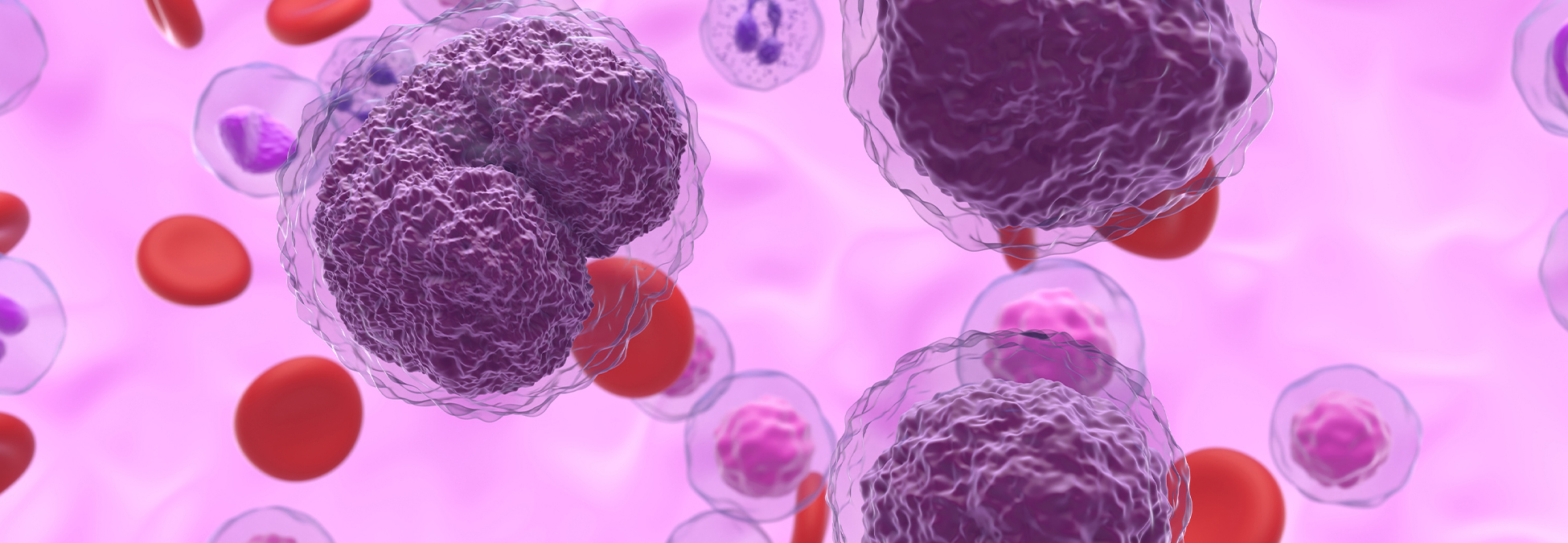
All about non-Hodgkin lymphoma
What sounds like it’s one thing but is actually dozens? The answer is non-Hodgkin lymphoma, a group of more than 70 cancers that affect the lymphatic system. Interestingly, it’s also a disease named for what it’s not: it’s not Hodgkin lymphoma.
What is non-Hodgkin lymphoma?
Non-Hodgkin lymphoma is one of the two main types of lymphoma, which is any cancer that develops from lymphocytes, a type of white blood cell. The other main type of lymphoma is Hodgkin’s lymphoma.
Lymphoma was first described by Thomas Hodgkin in 1832, and the name of the specific type he identified wound up taking his name. The Hodgkin type has a distinctive cell that looks like owl eyes, and it has a different origin and progression than non-Hodgkin types. Non-Hodgkin lymphoma took much longer to classify, because it describes such a wide variety of lymphomas — basically any that aren’t the Hodgkin type.
Non-Hodgkin lymphoma accounts for about 90% of all lymphomas, making it far more common than Hodgkin lymphoma, and it is also the fifth most common cancer diagnosis in Canada.
What are the different types of non-Hodgkin lymphoma?
Non-Hodgkin lymphoma types are primarily categorized by their growth rate, which can be indolent (slow) or aggressive (fast), and by which lymphocytes they originate from — either B-cells, T-cells, or natural killer (NK) cells.
The most common non-Hodgkin lymphoma is mature B-cell lymphoma, which accounts for up to 90% of all cases. Mature T-cell and NK-cell lymphoma account for about 10% of cases.
Hear how Ted Wagstaff faced his toughest challenge yet
What are the symptoms of non-Hodgkin lymphoma?
The symptoms of non-Hodgkin lymphoma can vary depending on which type it is and whether it’s indolent or aggressive, but some more common signs can include:
- Swollen or enlarged lymph nodes
- Itching or rashes on the abdomen
- A fever that doesn’t go away
- Night sweats
- Unexplained weight loss
How does The Ottawa Hospital treat non-Hodgkin lymphoma?
Treatment for non-Hodgkin lymphoma can be complex and involve several different therapies tailored to the specific type of non-Hodgkin lymphoma, its stage, and the patient themselves. Treatment might include a combination of chemotherapy, targeted therapy, radiation, stem cell therapy such as CAR T-cell therapy, and/or stem cell transplants. In some cases, watchful waiting is employed to see how the disease progresses.
The future of healthcare is personalized, patient-centred care, and our experts work with patients to choose the treatment that will work best for them. When you support The Ottawa Hospital, you support the critical work bringing personalized care to patients every day.